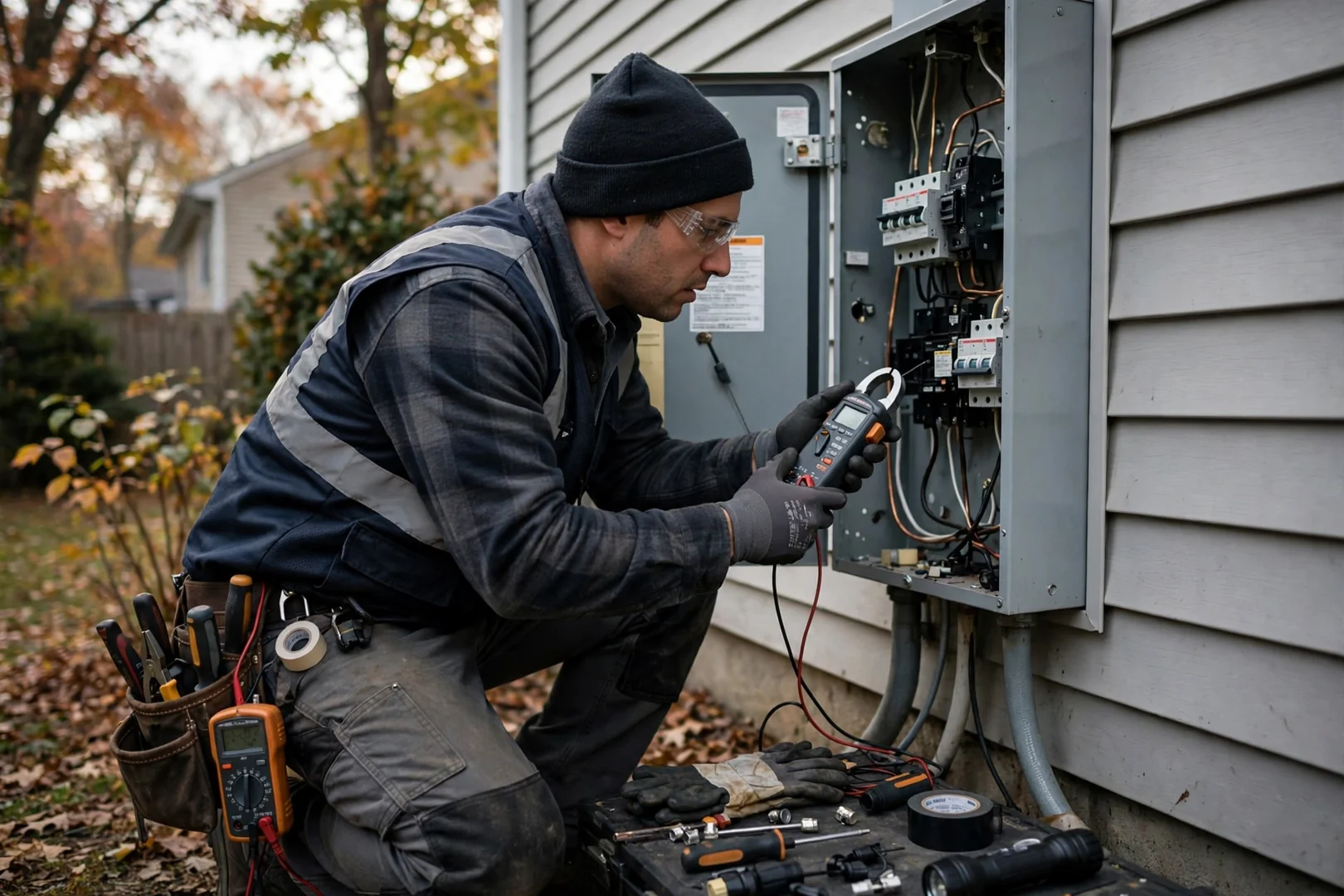
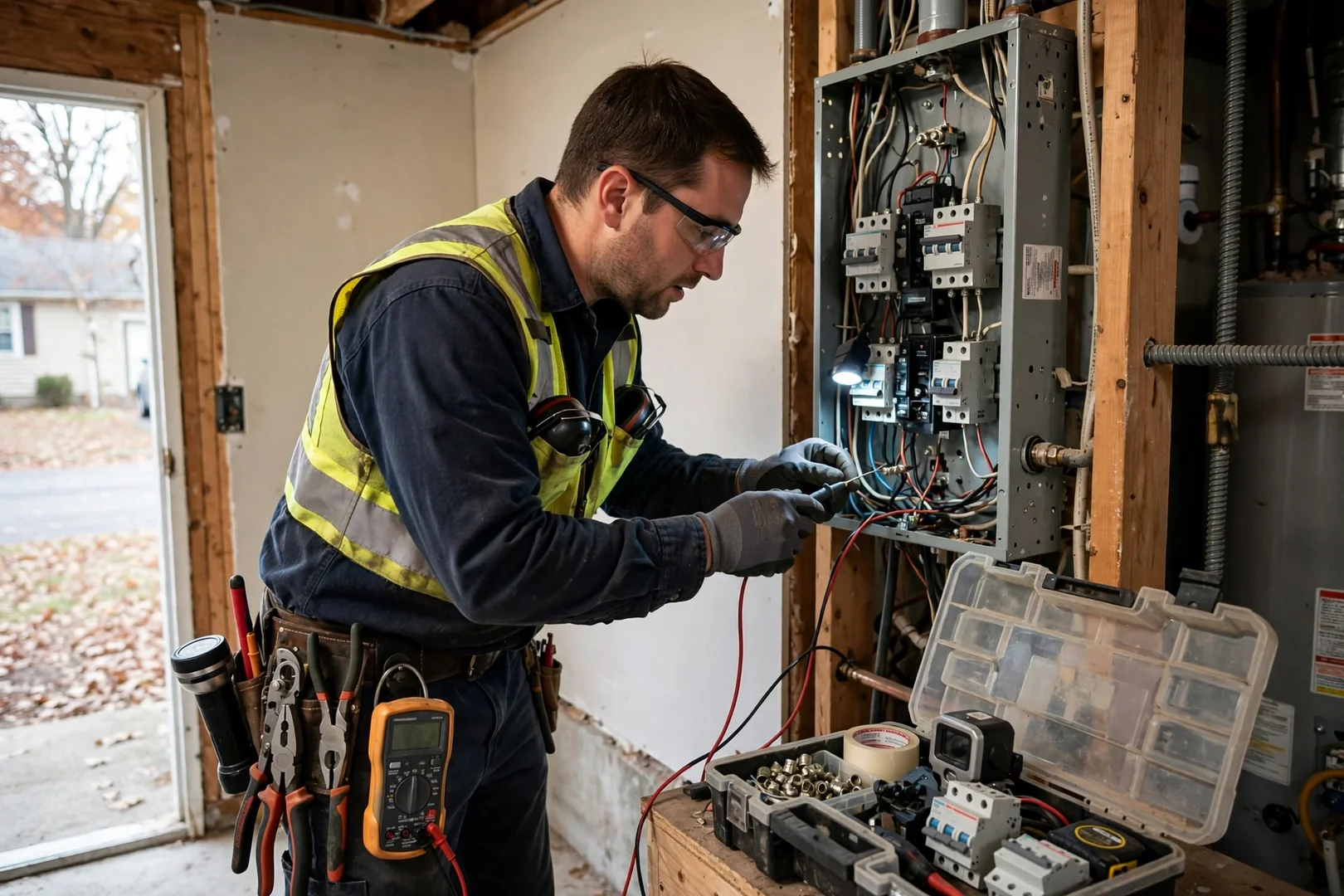
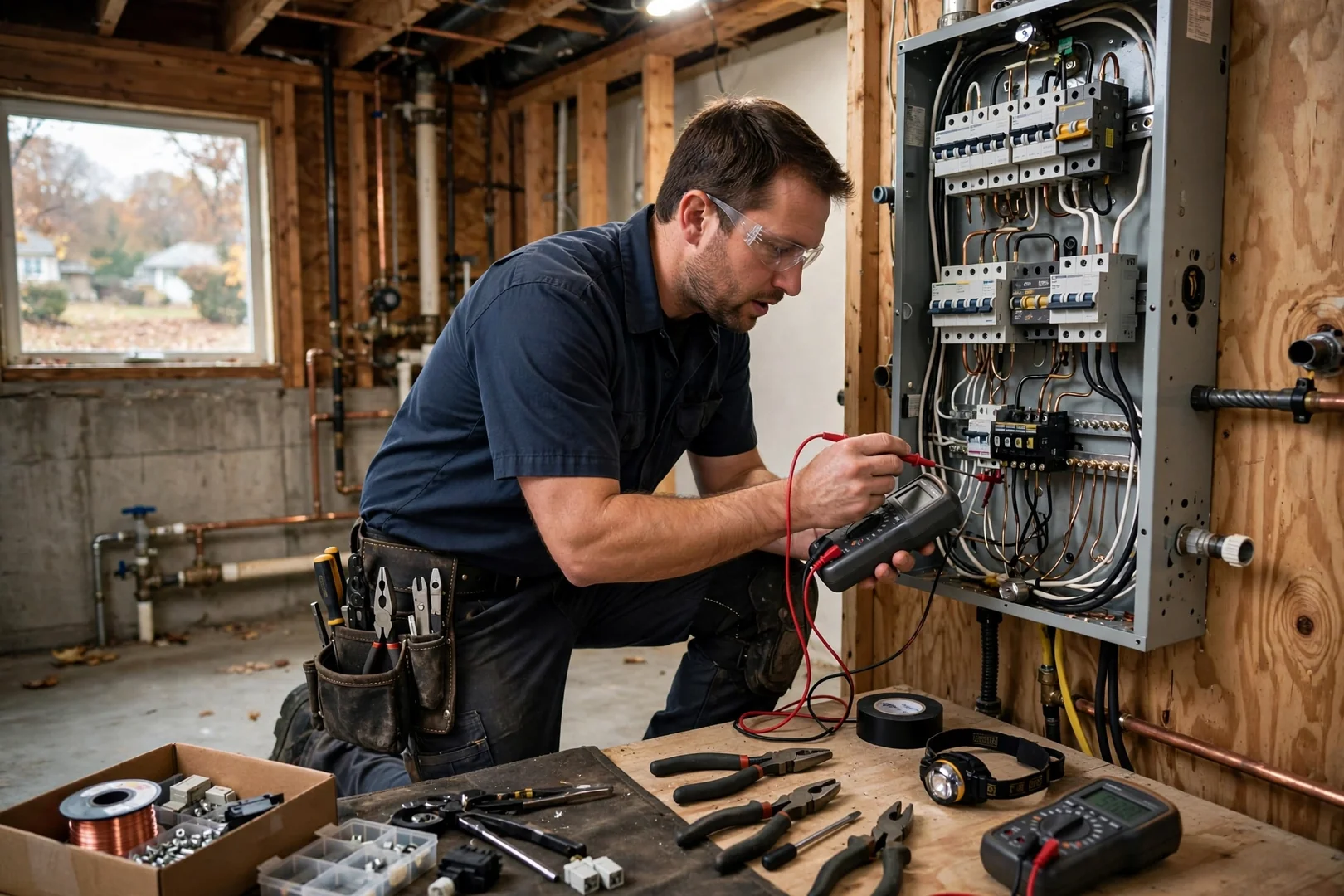
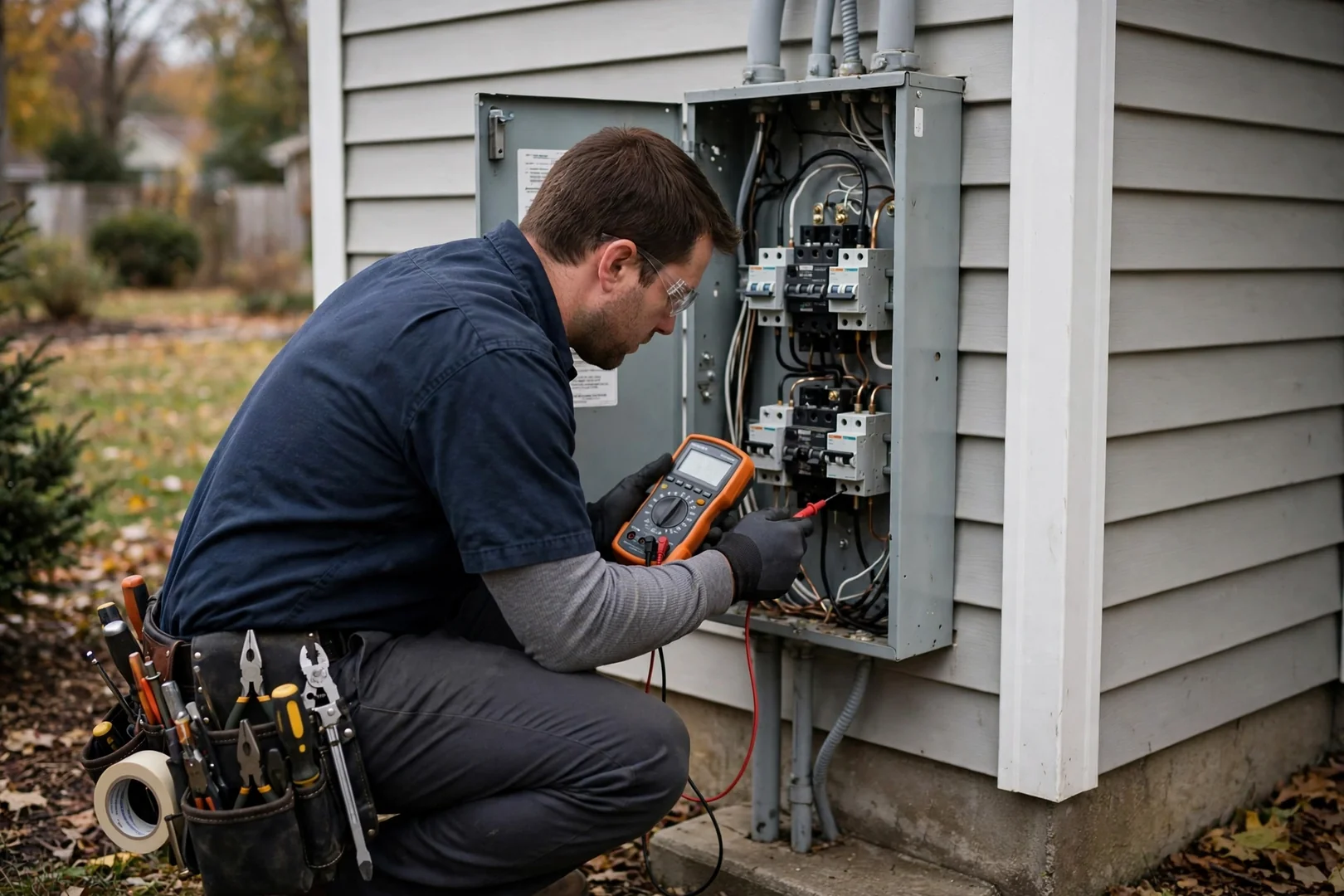
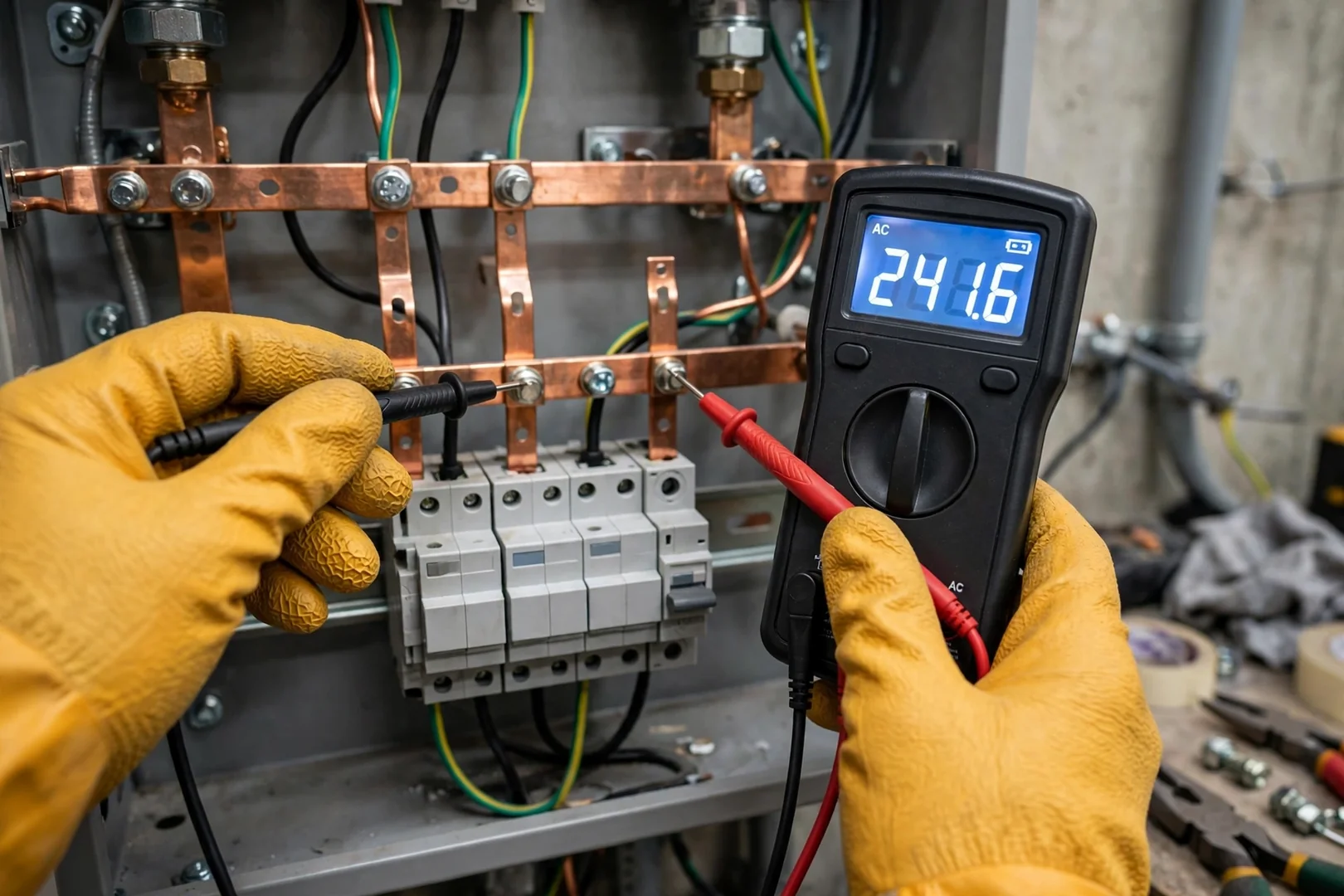
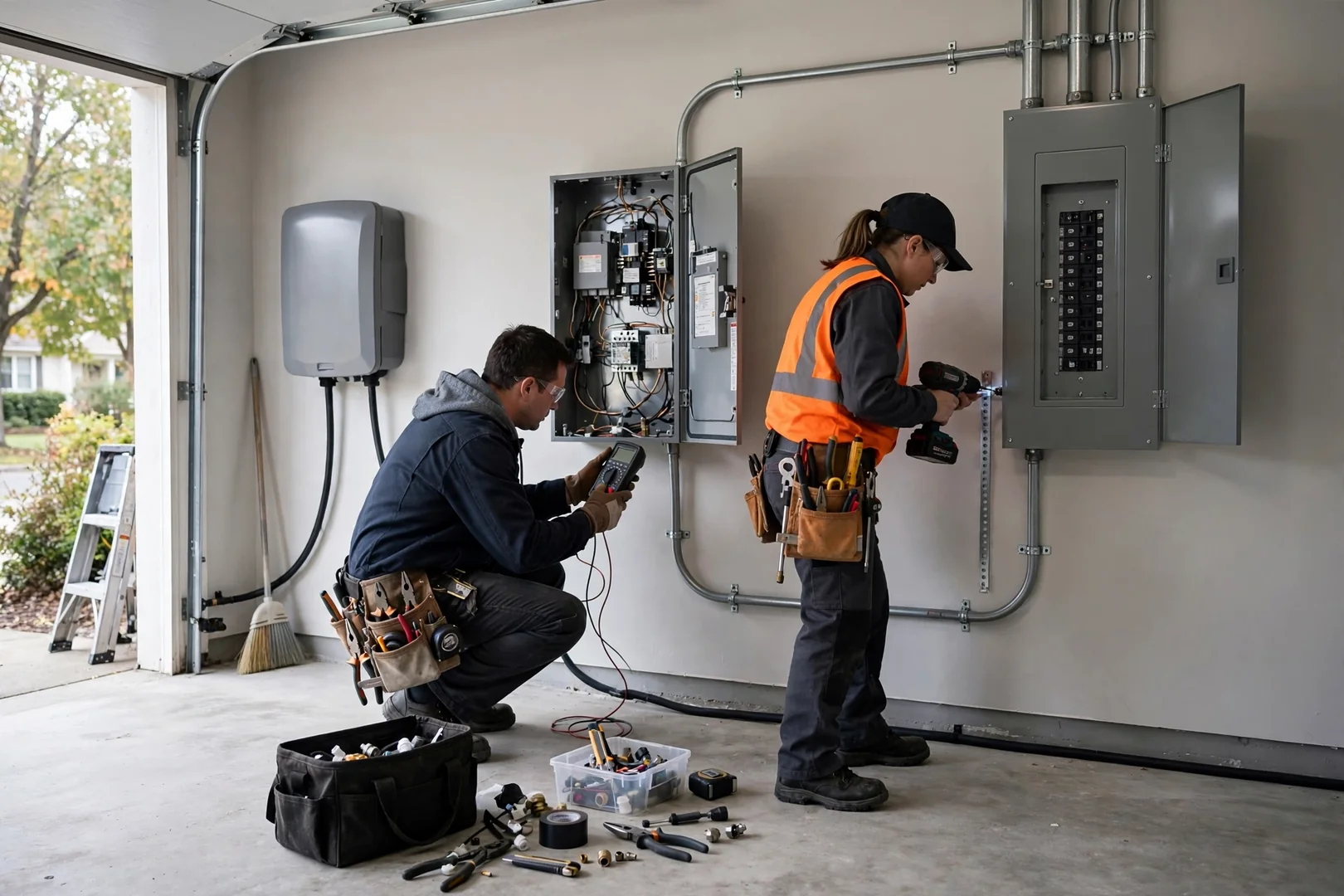
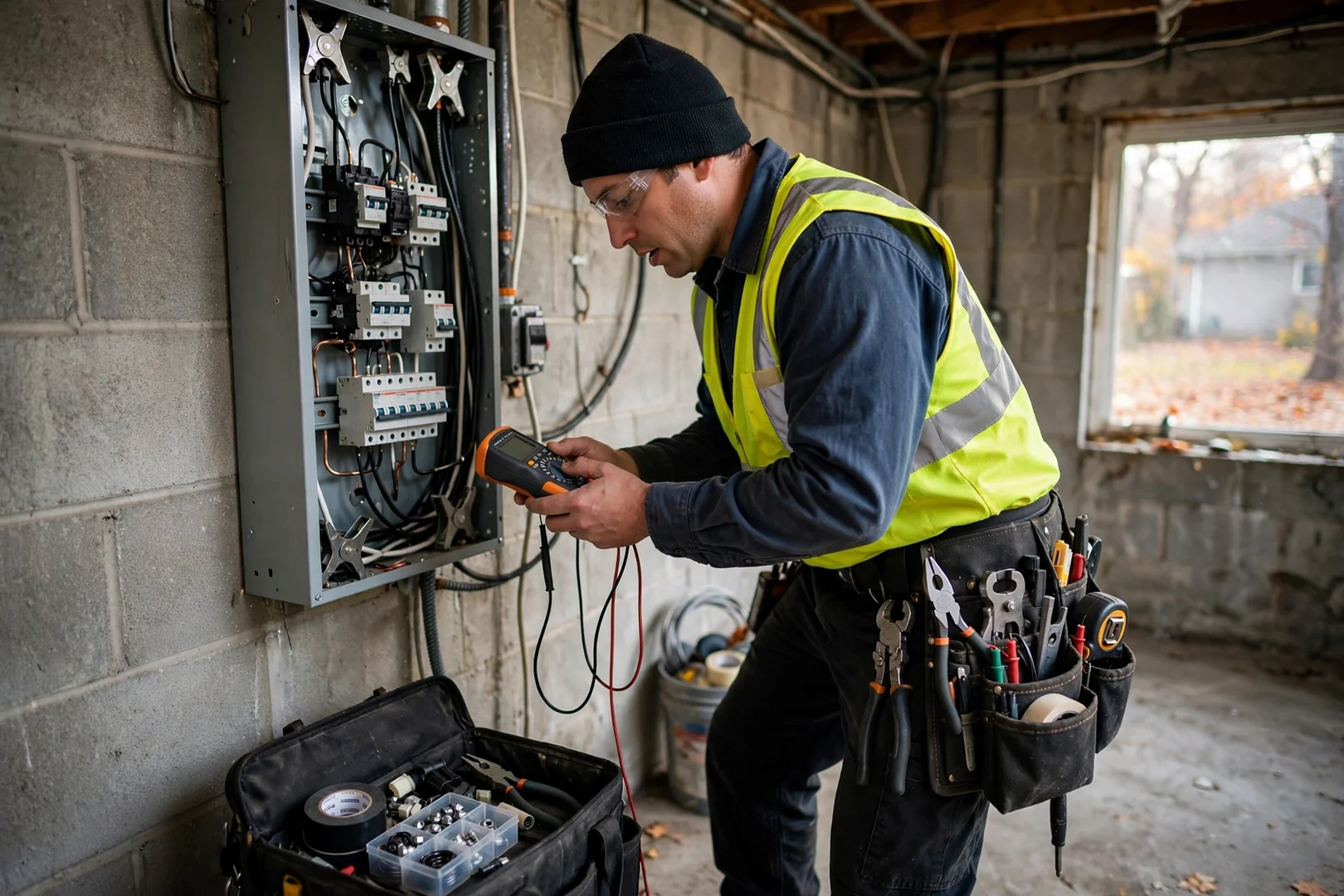
Surge protection installation adds layered defense against voltage spikes, starting with a panel-mounted Type 2 SPD and extending to point-of-use devices at sensitive circuits. Centereach homeowners with well pumps, mini-split systems, or older 100-amp service panels see the most damage from summer thunderstorm activity and utility switching events. Short spikes ruin electronics quietly.
Our trained technicians verify grounding electrode continuity and neutral bonding before any device is installed, since a surge protector only performs as well as the ground path behind it. Scheduling for 2026 is open now, with pre-storm-season slots filling first, and Centereach Electrician Masters handles the evaluation, installation, and written estimate.
What Our Surge Protection Installation Service Includes
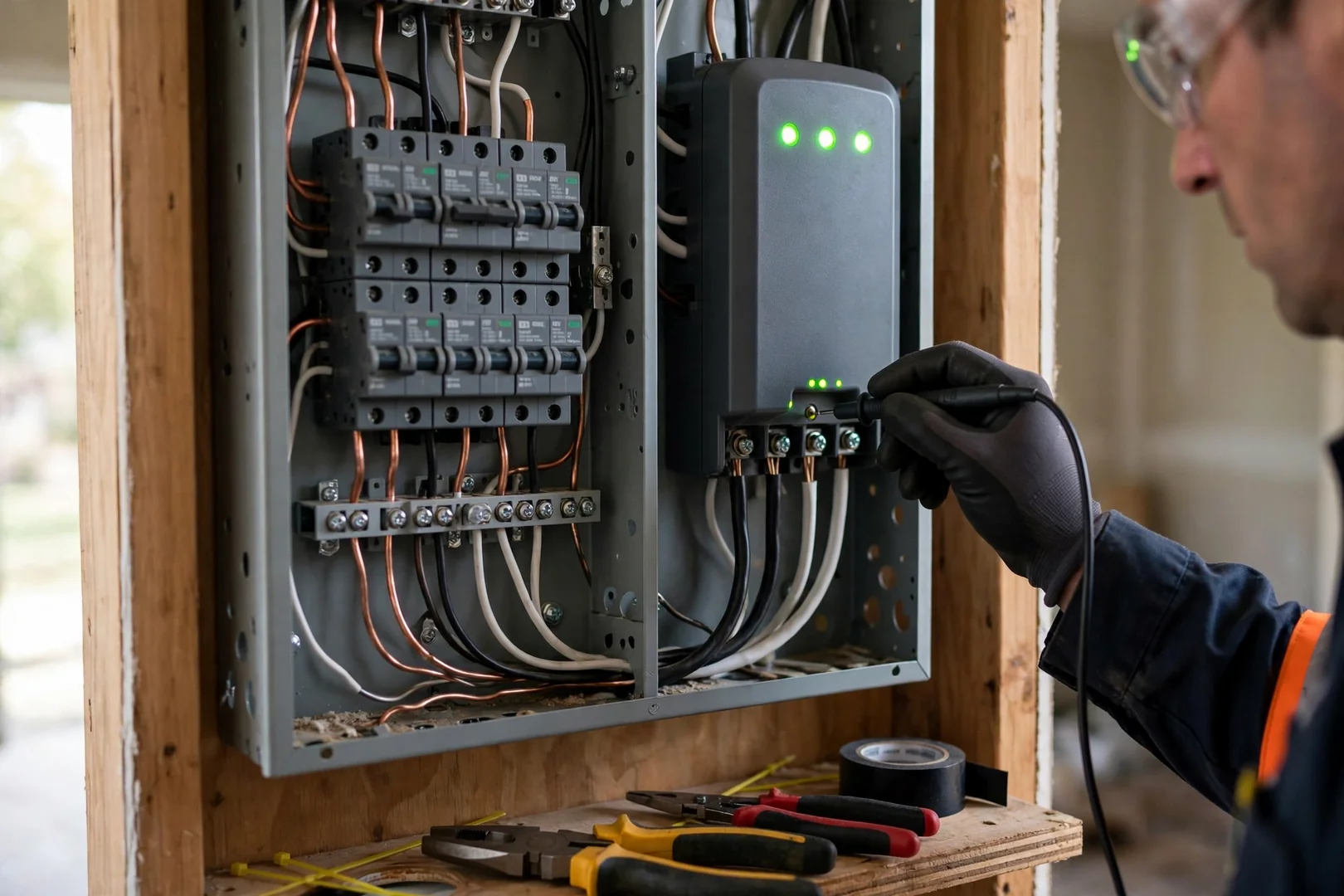
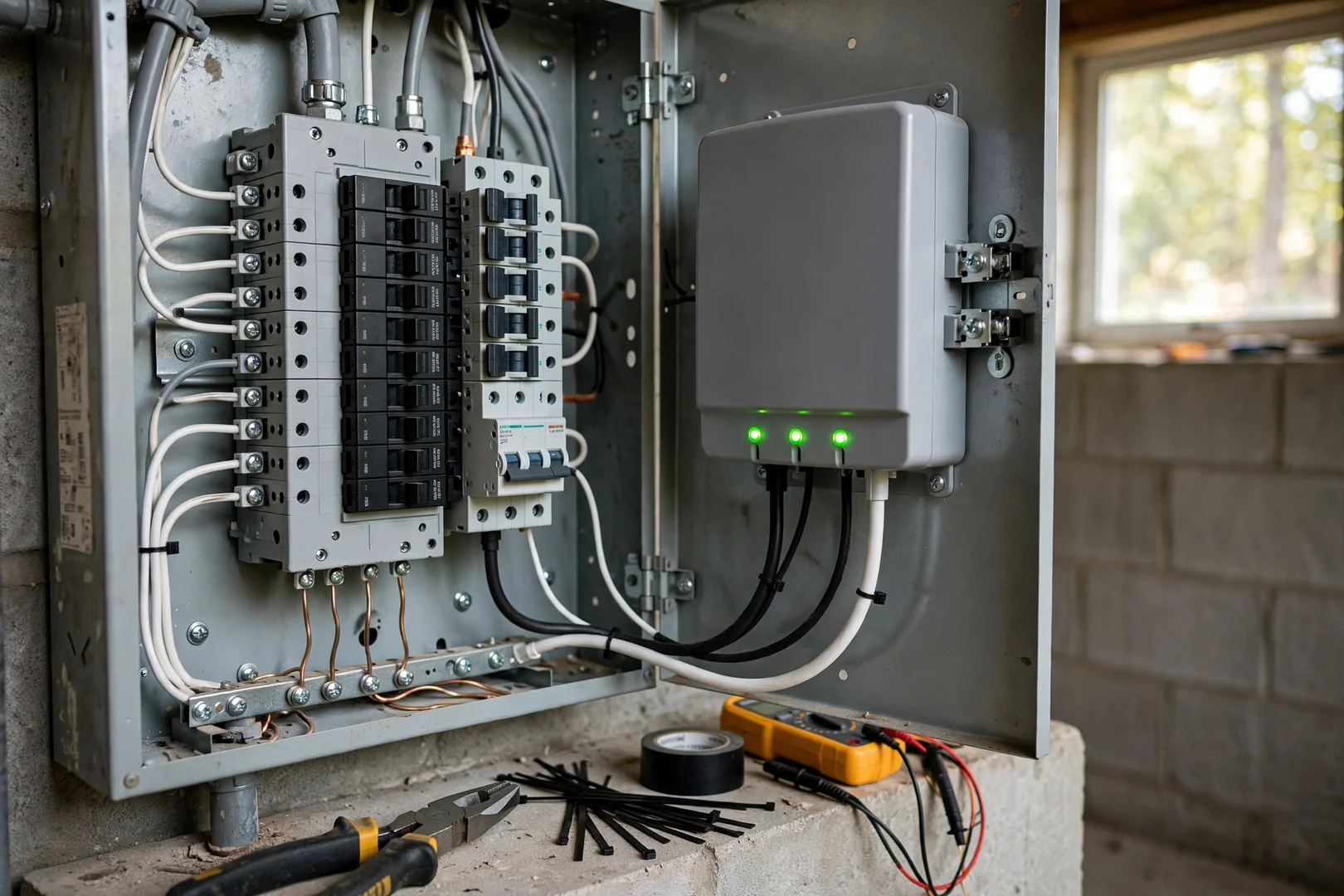
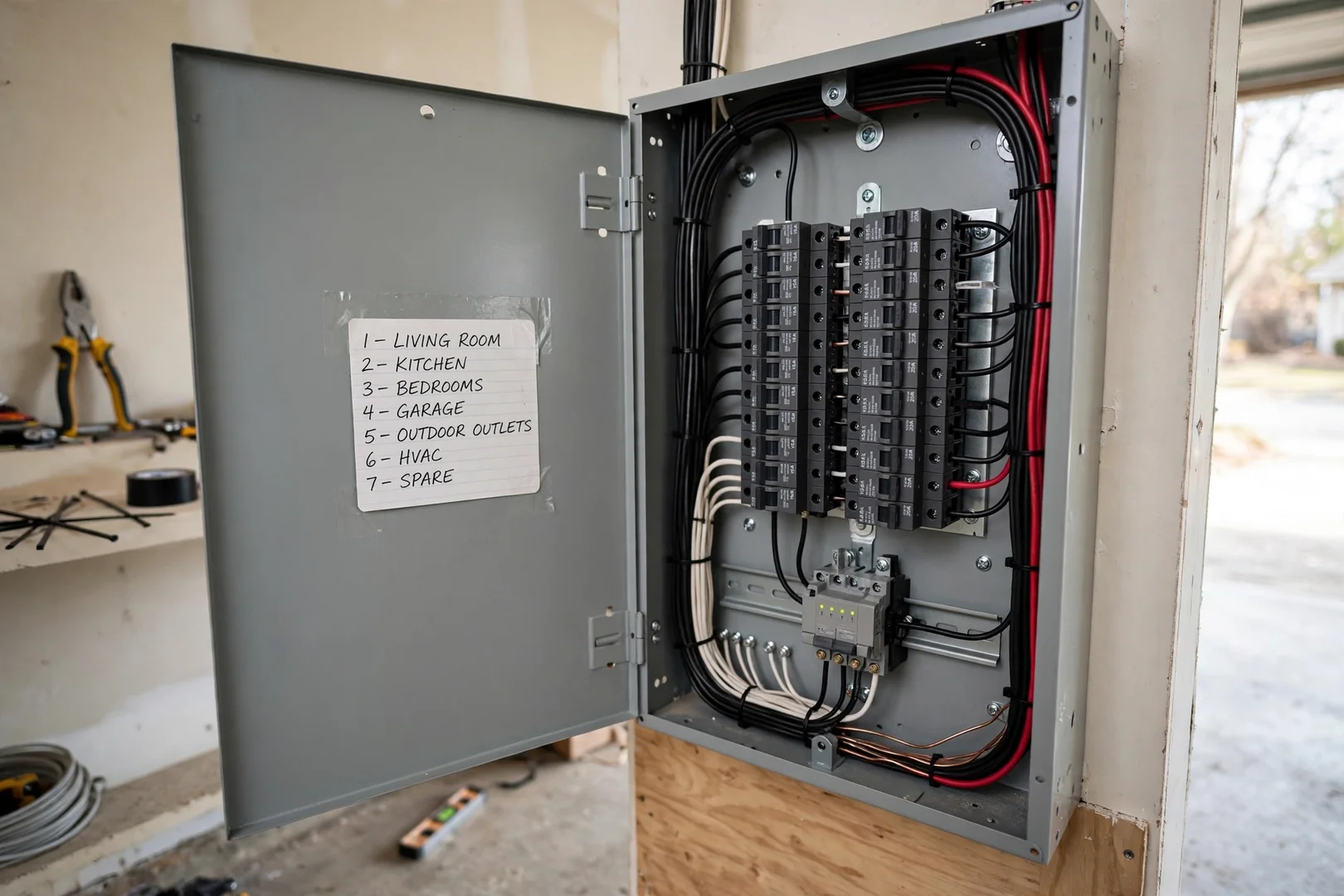
Surge protection installation is the process of mounting one or more surge protective devices at the service panel and branch-circuit level to divert excess voltage safely to ground, and at Centereach Electrician Masters it includes load center evaluation, device selection, installation, and verification across Centereach properties. Work begins with an inspection of the panel bus, breaker spaces, grounding electrode conductor, and neutral-to-ground bonding, since clamping performance depends on a low-impedance ground path. Technicians measure available breaker positions, confirm short-circuit current rating compatibility, and select a Type 2 SPD with an appropriate joule rating and clamping voltage for the service size. Lead length is kept short and straight; long conductors reduce response effectiveness. For layered coverage, Type 3 point-of-use protection is added at HVAC controls, well pump circuits, home offices, and low-voltage lines such as coax and data. Single-family homes, storefronts, offices, and multi-unit buildings each get a different device plan based on service amperage and equipment load. Our 2026 approach includes torque-verified terminations, indicator light testing, labeling per NEC requirements, and a post-job walkthrough with a written estimate provided before work starts.
What Signs Mean Your Property Needs Surge Protection Installation?
Repeated equipment failures, flickering lights during storms, and appliances that reset on their own usually mean voltage transients are reaching your branch circuits unchecked. Homeowners in Centereach often notice LED fixtures dimming or buzzing after utility switching, GFCI outlets tripping without a ground fault present, and Wi-Fi routers, garage door openers, or HVAC control boards dying months apart. Older load centers with no Type 2 SPD installed, a corroded grounding electrode conductor, or a loose neutral connection let each spike pass straight through to sensitive electronics. Well pump motors and mini-split inverters are common casualties. Coastal Long Island thunderstorm activity and nor’easter-driven outages add repeated low-level surges that degrade insulation and semiconductors over time, and 2026 storm seasons bring the same pattern of restoration spikes after power returns. Multi-unit buildings in Centereach see it too, where shared service equipment spreads transients between units. Correct surge protection installation, sized to your service and backed by verified bonding and grounding, stops those transients at the panel and at the outlet before your equipment absorbs them.
How Does Our Surge Protection Installation Process Work?
Panel and Grounding Assessment
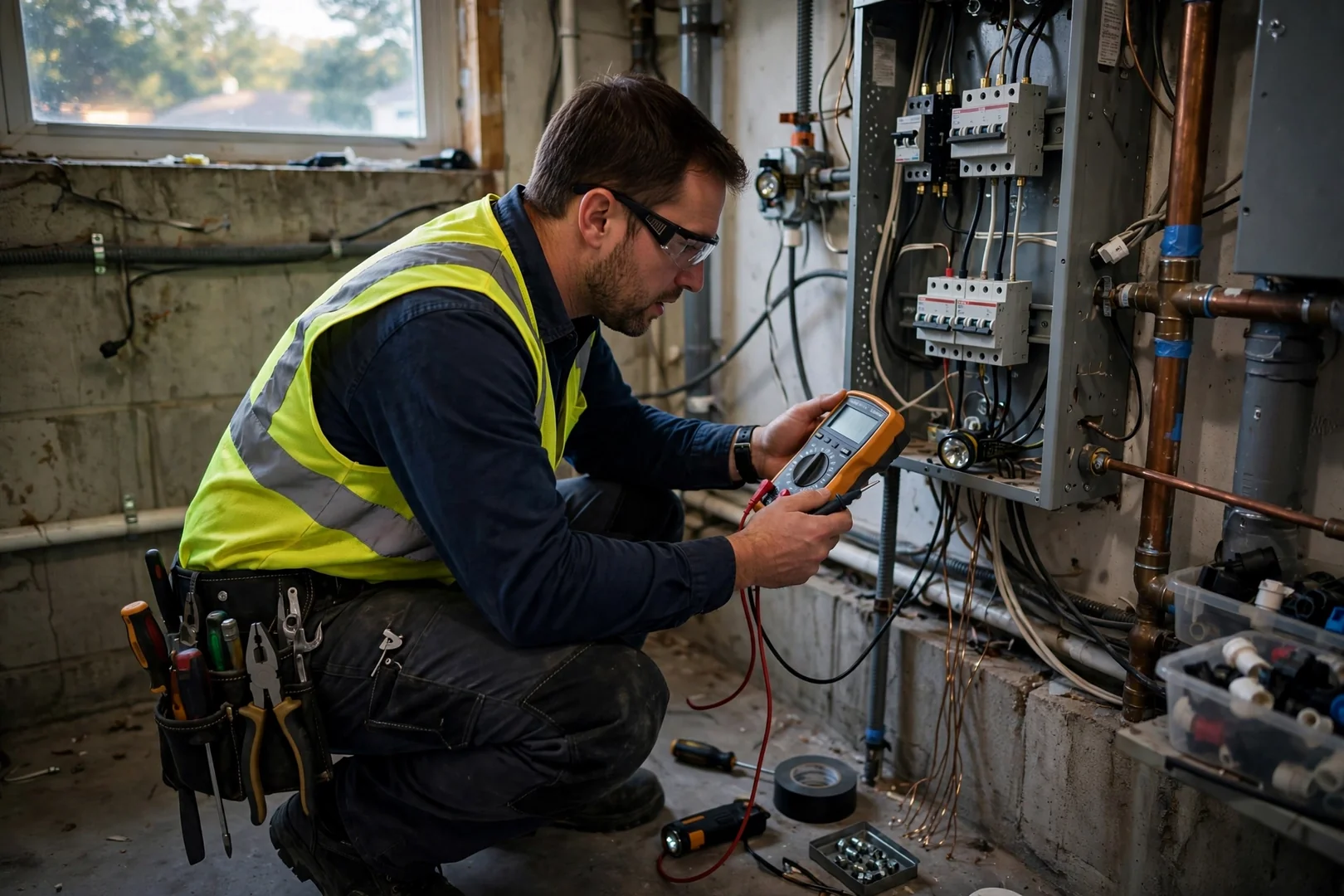
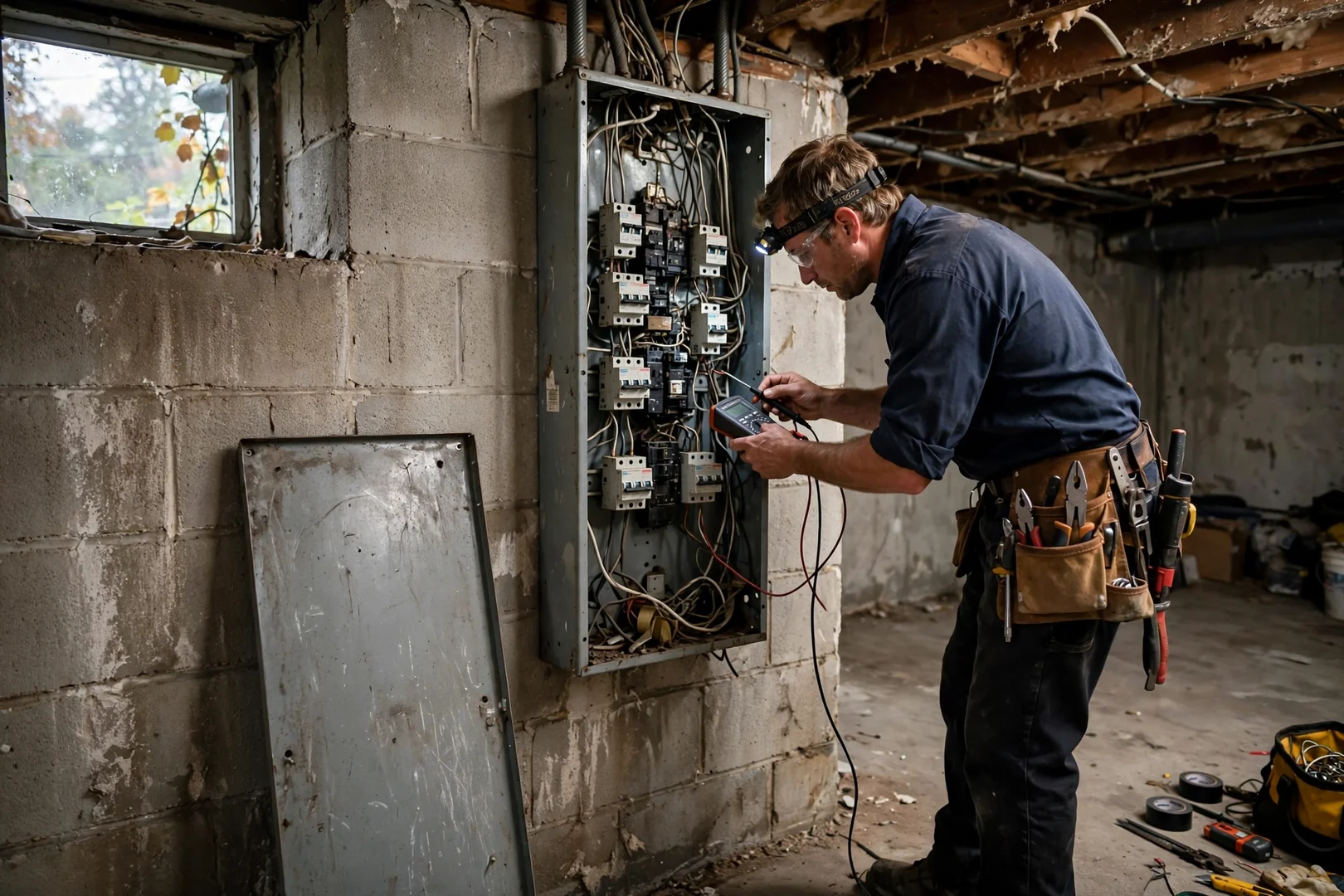
Work starts with a load center evaluation. Technicians check panel capacity, available breaker spaces, bus bar condition, and grounding electrode continuity, since a surge protective device only diverts energy correctly when the ground path is sound. Voltage readings and neutral-to-ground checks are recorded before any device is selected.
Device Selection and Mounting
SPD selection is based on measured service voltage, kA surge current rating, clamping voltage, and the sensitivity of connected electronics. Type 2 units mount at the service panel; Type 3 point-of-use protection is added at sensitive circuits when needed. Lead length is kept short and straight to reduce let-through voltage.
Termination, Testing, and Walkthrough
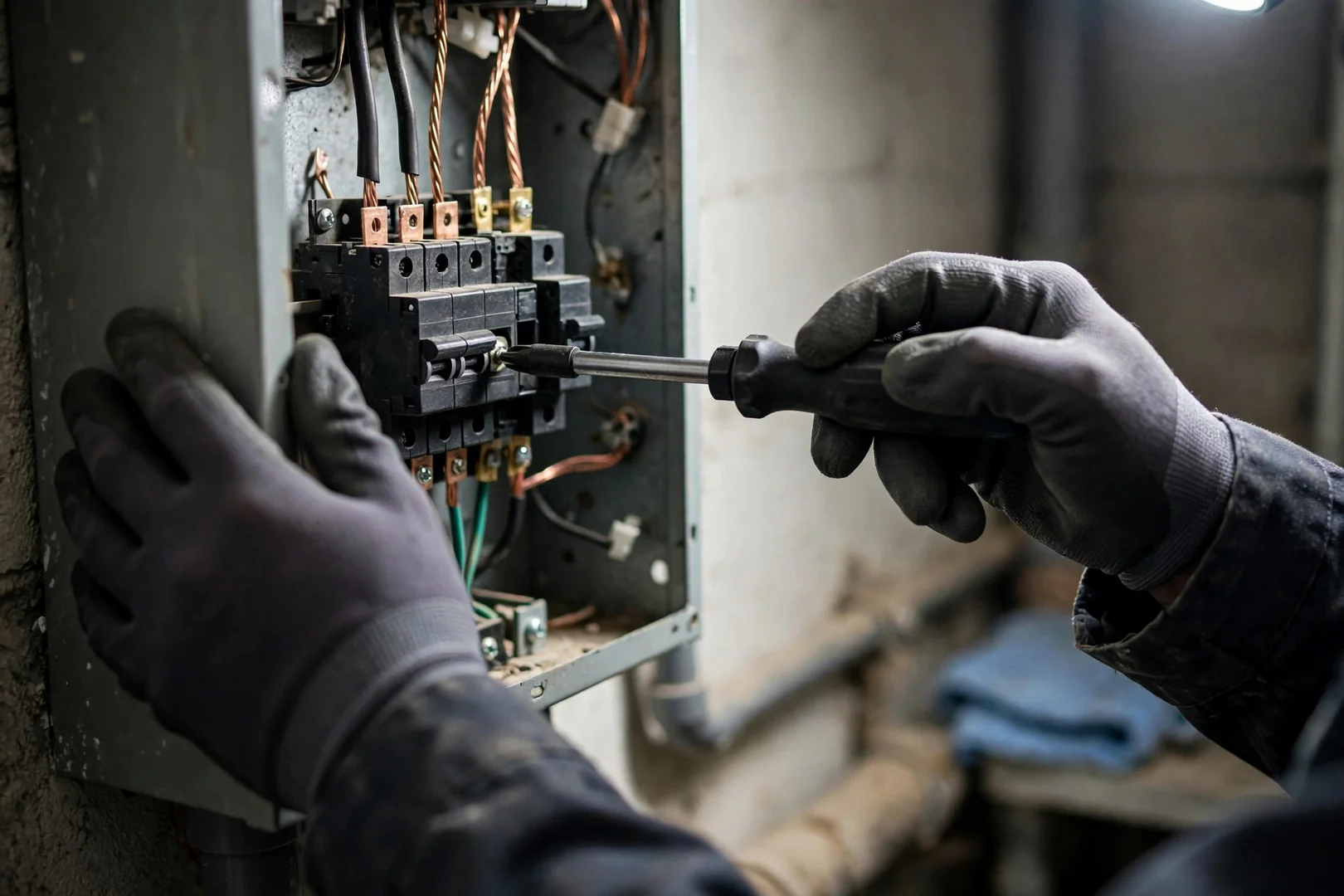
Circuits are de-energized, the device is landed on a dedicated two-pole breaker, and torque specs are applied to each termination. We verify indicator status, confirm correct phase connection, and re-check panel labeling. A post-job walkthrough covers diagnostic LEDs, replacement intervals, and warranty paperwork.
Surge Protection Cost Factors
How Much Does Surge Protection Installation Cost in Centereach?
Surge protection installation pricing in Centereach depends primarily on device type, panel condition, and how much point-of-use protection a home needs, with most 2026 jobs falling within predictable local ranges. Whole-home Type 2 SPD installs at the service panel cost less than layered systems that add Type 3 protection at media, HVAC, or home office circuits. Panel condition matters. Older load centers may need a breaker space freed up, a bus bar cleanup, or grounding electrode corrections before a device can be landed safely. Device specifications also shift cost, since higher kA surge current ratings, lower clamping voltage, and longer manufacturer warranties carry different equipment pricing. Homes in Centereach with detached garages, well pumps, or generator transfer equipment often need a second SPD, which adds labor and materials. Exact numbers require an on-site assessment of the panel and grounding system, and we provide free written estimates before work begins.
Why Do Centereach Homeowners Trust Us for Surge Protection Installation?
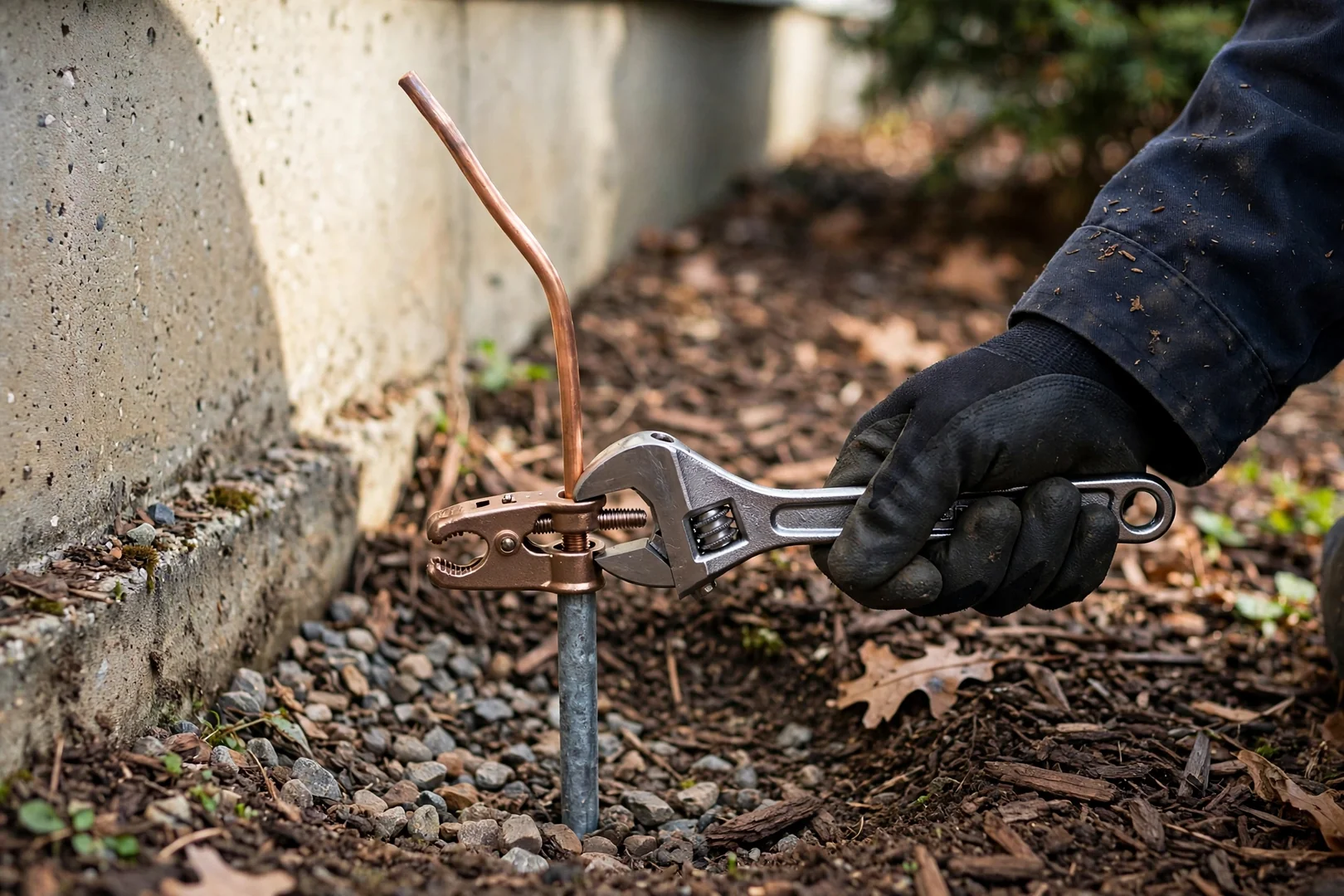
Centereach homeowners choose Centereach Electrician Masters for surge protection installation because every device is sized from measured panel data rather than a generic recommendation. Technicians test grounding electrode continuity, neutral-to-ground voltage, and available breaker capacity before selecting an SPD, since let-through voltage performance depends on a short lead path and a verified ground. Torque specifications are applied at each termination. That precision is what separates a functioning surge protective device from one that fails quietly during the first storm.
Documentation follows the same structure through 2026: written estimates before
work starts, photo records of panel conditions and completed terminations, and
a post-job walkthrough covering indicator LEDs and device replacement intervals.
Panel directories are relabeled so the dedicated SPD breaker is easy to identify
later. Homes across Centereach see repeated grid disturbances from summer storms
and utility switching, so we also flag circuits that would benefit from Type
3 point-of-use protection instead of leaving that decision to guesswork.
Surge Protection Installation Work Completed in Centereach in 2026
Work this year has covered single-family colonials, split-levels,
ranches, and a handful of small mixed-use buildings across Centereach. Most
jobs start the same way: a load center evaluation, torque checks on existing
lugs, and a measurement of available fault current before any Type 2 surge protective
device is mounted. Panel space dictates the approach. Older 100-amp boards often
need a subpanel feed or breaker relocation before an SPD can be tied in with
short, straight conductor leads, since lead length directly affects clamping
performance. Trained technicians also verify grounding electrode continuity
and bonding at the neutral bar, because a surge device cannot divert energy
through a compromised ground path. Point-of-use protection for AV racks, well
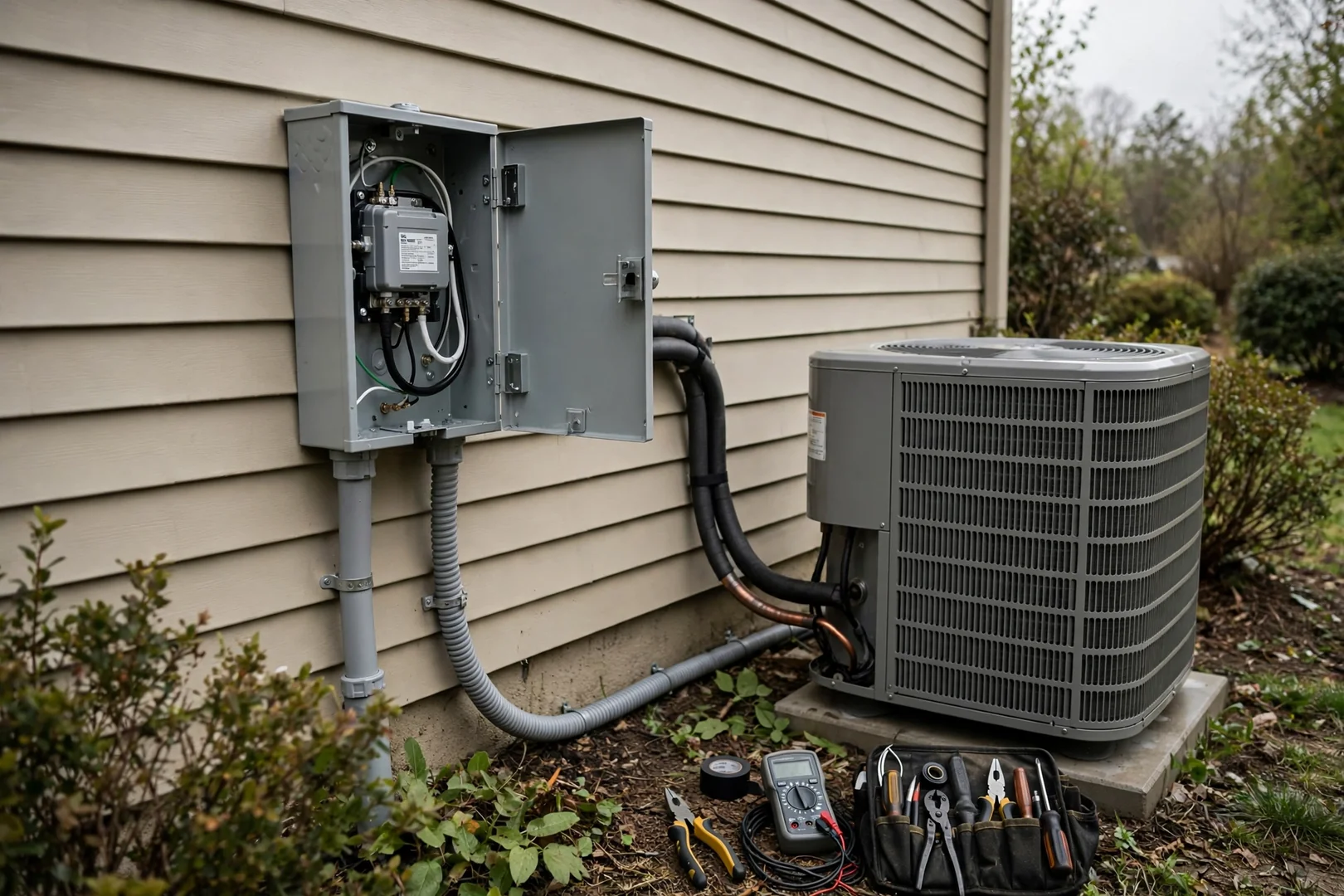
pumps, HVAC condensers, and EV charging circuits has been layered in where whole-home
coverage alone was not enough. Each installation ends with joule rating documentation,
indicator light verification, a written estimate reconciled against the finished
scope, and a post-job walkthrough.
Surge Protection FAQs
Surge Protection Installation FAQs for Centereach Homeowners
Answers below cover the surge protection questions Centereach homeowners ask most in 2026, including scheduling, panel requirements, what an installation includes, and cost factors. Details focus on device placement, grounding, and layered protection.
Most whole-home surge protective device installations take one to three hours, depending on panel space and whether a breaker needs to be relocated. Work is done with the main disconnect off, so plan for a short power interruption. If bonding or grounding corrections are needed, the visit runs longer and the added scope is documented on the written estimate before it starts.
Installation includes a load center evaluation, mounting of a Type 2 surge protective device, a dedicated two-pole breaker, short conductor leads to limit let-through voltage, and verification of grounding and neutral bonding. Indicator lights and joule rating documentation are confirmed at the end. A post-job walkthrough covers what the status lights mean and when the device should be checked.
Clear access to the electrical panel and shut down sensitive equipment such as desktop computers, servers, and well pump controls before the appointment. Because the panel is de-energized during installation, refrigerators and HVAC systems will cycle off briefly. Noting any equipment already damaged by past surges helps determine whether point-of-use protection is also worth adding.
Cost depends on the device type and joule rating, available panel space, breaker requirements, and whether grounding or bonding repairs are needed first. Homes needing a subpanel or panel upgrade before an SPD can be tied in will see a larger scope. Every quote is issued in writing with the parts and labor itemized, so there are no assumptions about what is covered.
Older Centereach homes benefit the most, since many still run 100-amp load centers and grounding systems installed long before modern electronics, EV chargers, and variable-speed HVAC equipment existed. Coastal Long Island storm activity and utility switching both push transient voltage onto branch circuits. Technicians in Centereach evaluate the grounding electrode path first in 2026, because an SPD only performs as well as the ground it diverts energy through.
Book Surge Protection Installation
Schedule Surge Protection Installation in Centereach
Ready to protect your panel and electronics? Our technicians assess your service panel capacity, grounding path, and existing breaker layout, then recommend a Type 1 or Type 2 surge protective device sized to your home. Every quote arrives as a free written estimate with no obligation to proceed. Scheduling for 2026 installations across Centereach is open now.
Call or email to set a visit time that fits your day. We confirm device placement, verify torque specs on all terminations, and finish with a post-job walkthrough so you know exactly what was installed and how the indicator lights work. Request your estimate today.