EV Charger Installation in Centereach, NY

EV charger installation is the wiring, mounting, and circuit work needed to run a Level 2 charging station at your property. Centereach homeowners with attached garages, detached garages, or older 100-amp service panels usually need a dedicated 240-volt circuit and a load calculation before any hardware goes on the wall. Our licensed electricians handle panel evaluation, conduit routing, and final commissioning.

Winter charging on Long Island puts steady load on residential service, so correct breaker sizing and GFCI protection matter. Centereach Electrician Masters schedules EV charger installation across Centereach through 2026, with written estimates provided before work starts.

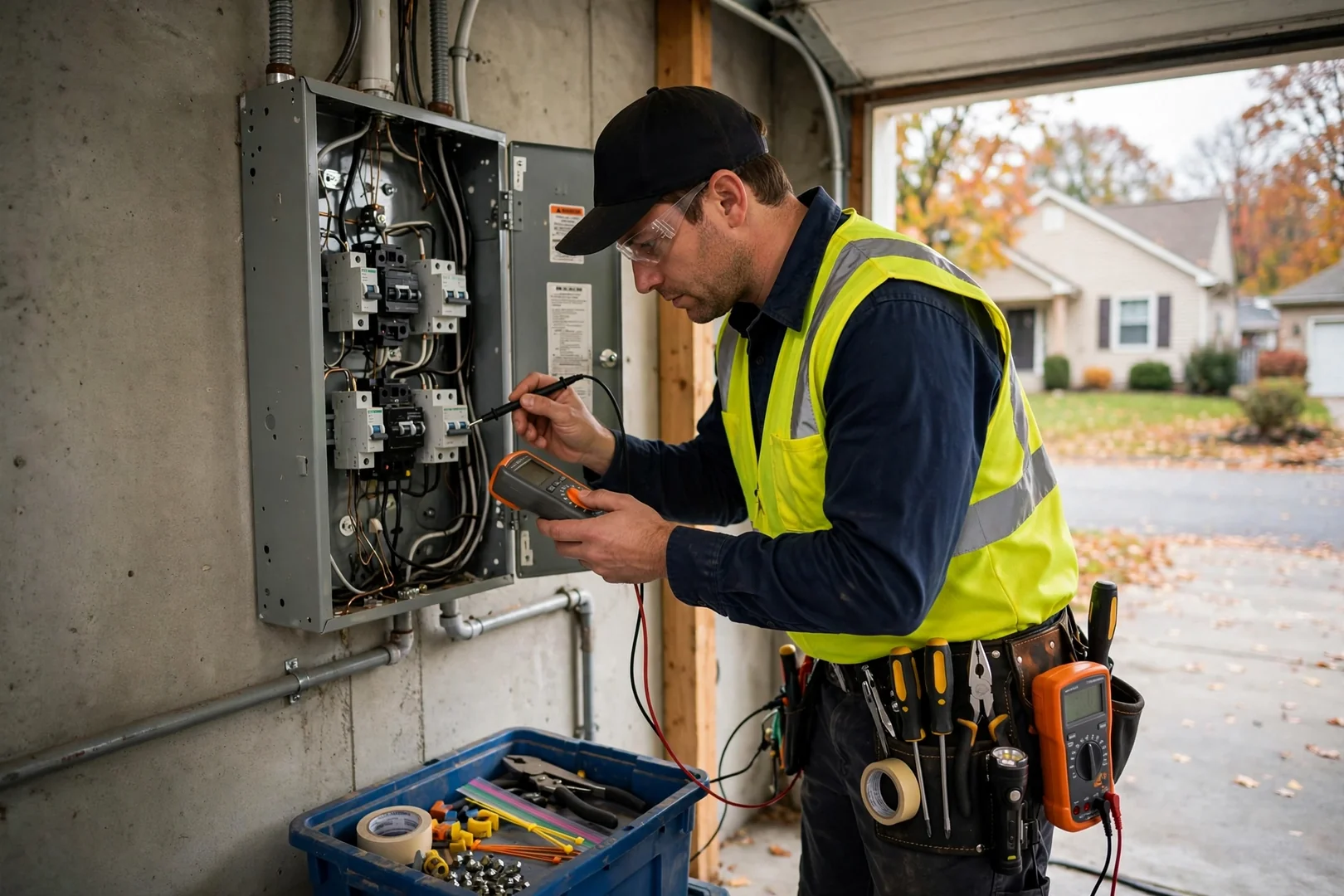
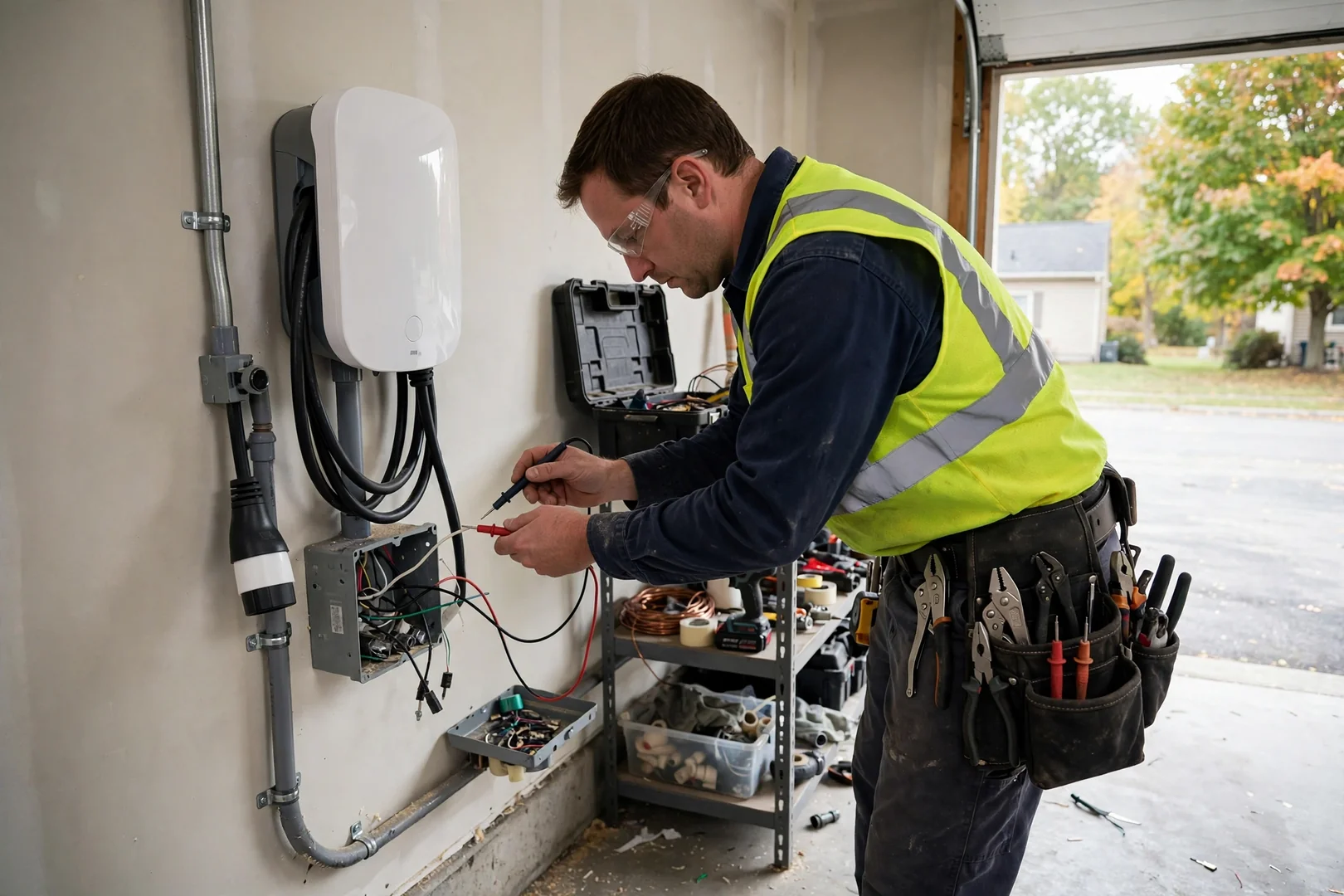
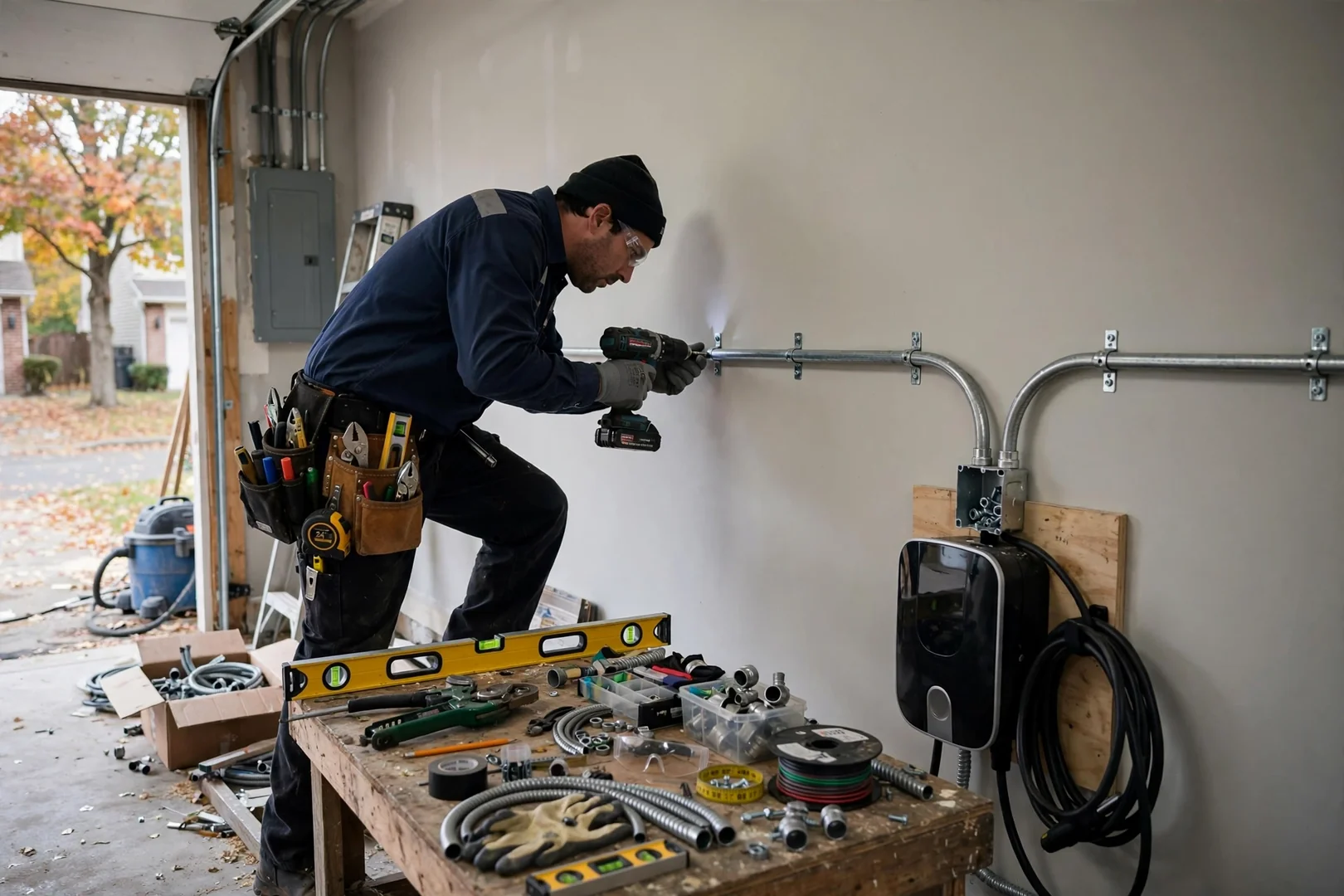
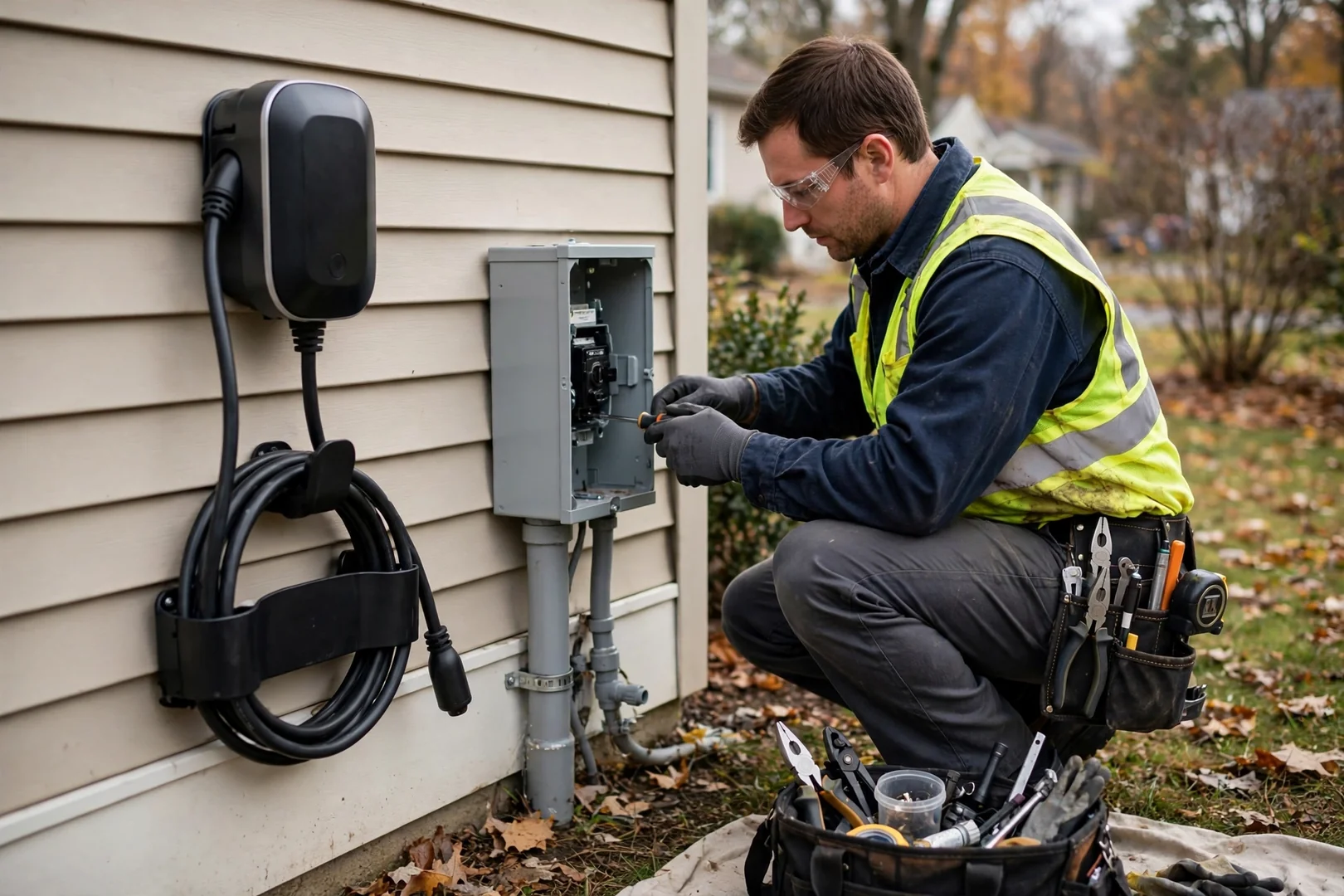
Electrician mounting a Level 2 EV charger on a garage wall in Centereach

EV Charger Service Overview

What Our EV Charger Installation Service Includes

EV charger installation is the process of adding a dedicated 240-volt circuit, protective device, and charging unit to a property, and at Centereach Electrician Masters it includes load calculations, panel work, conduit runs, mounting, and commissioning across Centereach properties. Work begins with a service panel evaluation: our technicians confirm available capacity, breaker space, grounding integrity, and whether a panel upgrade or load management device is required. Wire gauge is then selected for the amperage and run length, using copper conductors sized to code with voltage drop accounted for on longer garage or driveway runs. Conduit, junction boxes, and weather-rated enclosures are installed for exterior locations, and torque specs are verified at every termination. We install hardwired and NEMA 14-50 receptacle setups for single-family homes, commercial lots, and multi-unit buildings where separate metering or shared circuits come into play. Through 2026 we are seeing more requests for higher-output 48-amp units, which often push older Centereach panels to their limit. Every job ends with amperage testing, a charging test cycle, and a walkthrough of the finished install.

Call Us: (631) 529-1048

Common EV Charging Problems

Which Problems Does EV Charger Installation Solve?

EV charger installation solves slow charging, overloaded circuits, and unsafe temporary setups by replacing them with a properly sized dedicated 240-volt circuit and code-compliant hardware. Drivers relying on a Level 1 cord plugged into a shared 15-amp garage receptacle often see 3 to 5 miles of range per hour, which is not enough for daily commuting. Another common issue is nuisance breaker tripping when the charger shares a circuit with a freezer, well pump, or laundry equipment. Warm plug faces, discolored receptacles, and melted cord ends signal loose terminations or undersized conductors and should be addressed immediately. Many Centereach homes still run 100-amp service panels with no open breaker spaces, so a subpanel or load management device becomes part of the fix. Extension cords are never a solution. Cold Long Island mornings in 2026 also increase battery preconditioning draw, making a stable dedicated circuit with correct GFCI protection and grounding the practical resolution.

Book an Electrical Evaluation (631) 529-1048
Overheated garage outlet and worn charging cord showing why a dedicated circuit is needed

EV Charger Installation Process

How Does Our EV Charger Installation Process Work?

Electrician mounting a Level 2 EV charger on a garage wall beside a load center

Load Calculation and Site Assessment

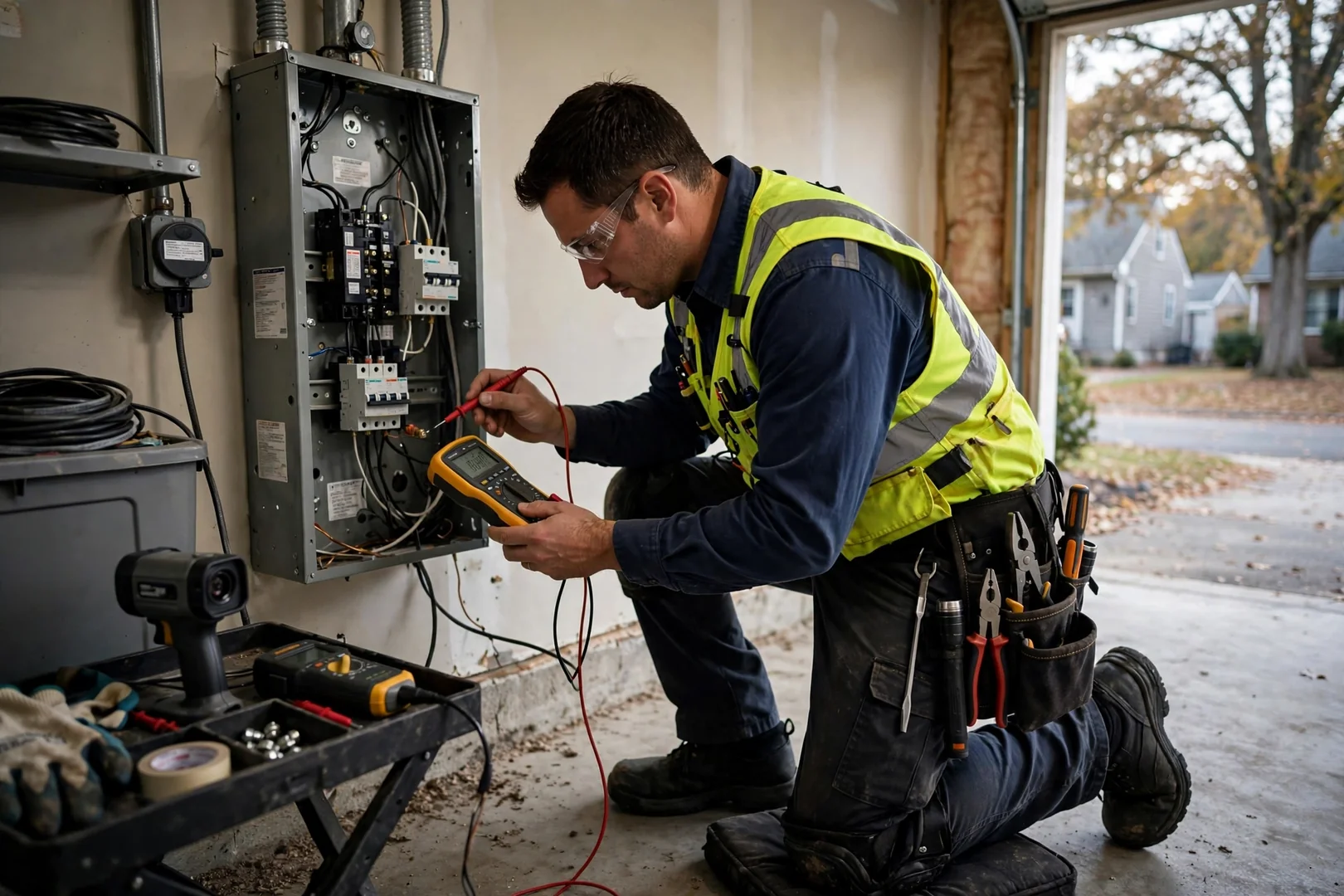
Work starts with a service load calculation on the existing panel. A technician checks main breaker rating, available bus capacity, grounding, and the distance from the panel to the parking spot. Conduit routes, wall material, and charger placement get confirmed on site.

Circuit Installation and Charger Mounting

A dedicated 240-volt branch circuit is run using correctly sized copper conductors and a matched double-pole breaker. Conduit or cable is secured, then the hardwired unit or NEMA 14-50 receptacle is mounted at working height. GFCI protection is applied where the code requires it.

Testing, Permit Closeout, and Walkthrough

Voltage, polarity, ground continuity, and breaker trip response are verified with meters and circuit analyzers. Charging is tested at full amperage with the vehicle connected. Permit inspection is coordinated, then a post-job walkthrough covers amperage settings, app pairing, and breaker location.

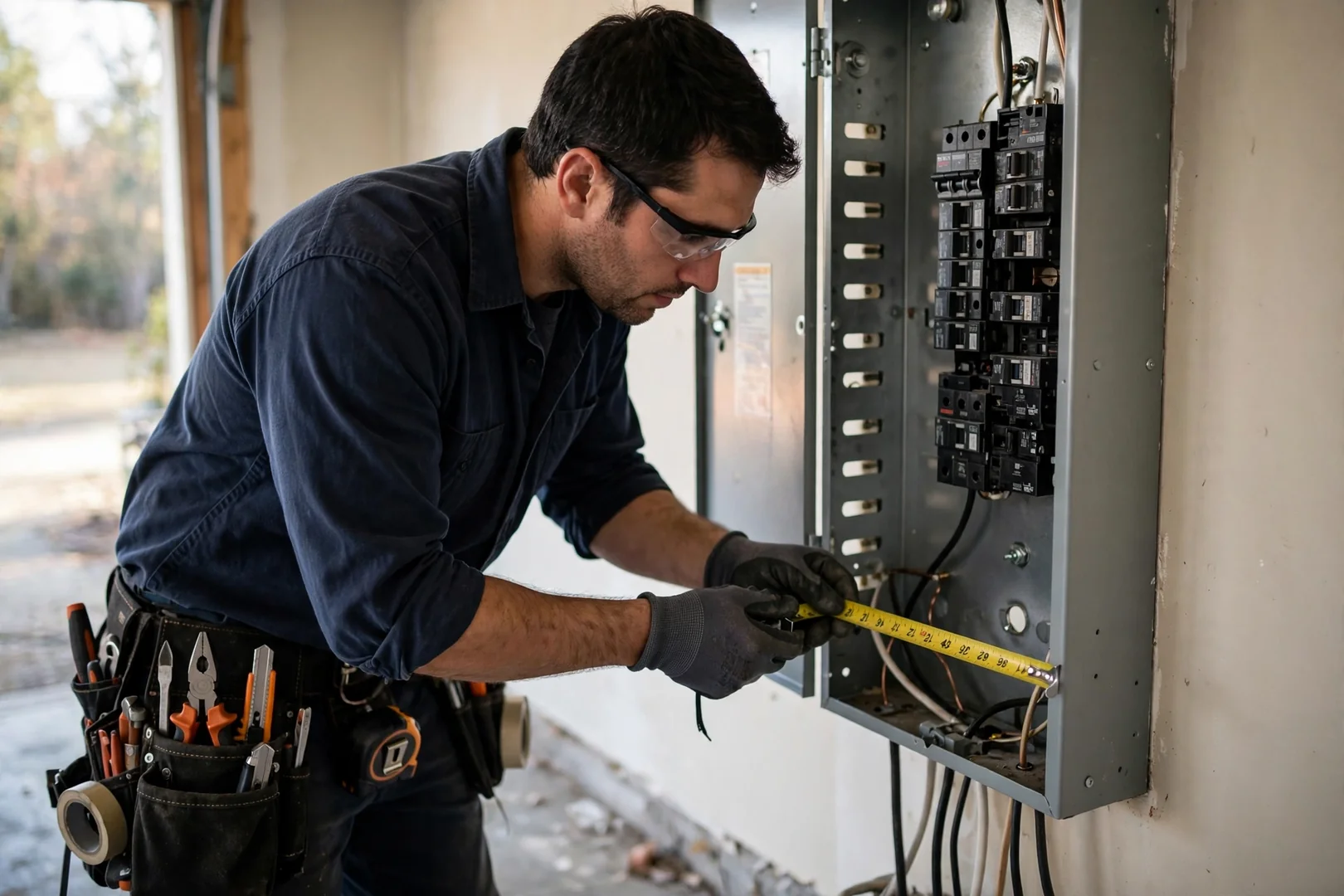
Technician measuring available breaker space inside a residential electrical panel
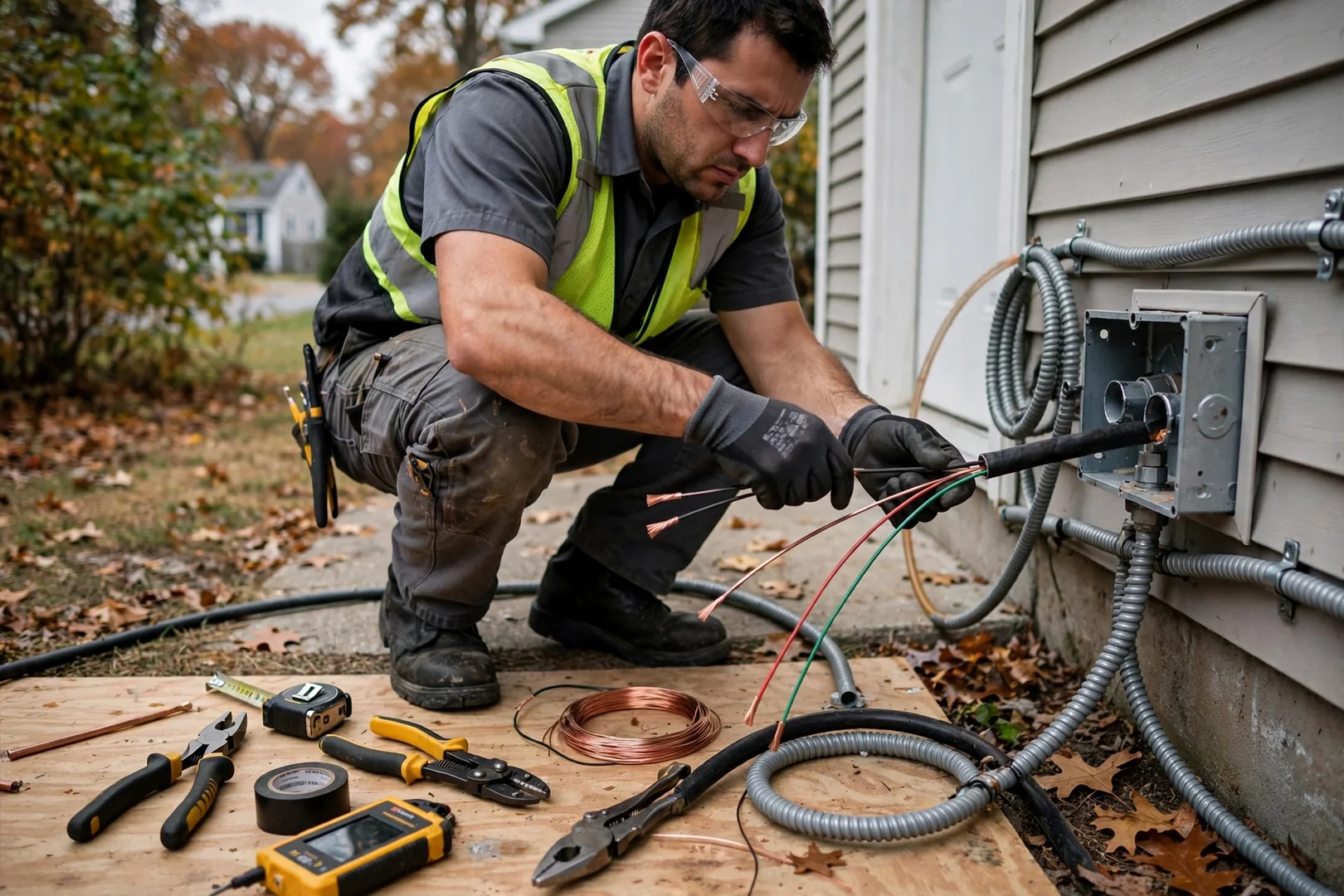
Copper conductors and conduit staged for a 240-volt EV charger circuit run

EV Charger Installation Cost Factors

How Much Does EV Charger Installation Cost in Centereach?

EV charger installation pricing in Centereach depends primarily on panel capacity, circuit run length, and charger type, with most 2026 jobs priced after a load calculation confirms what the existing service can carry. Panel condition matters most. A 200-amp panel with open breaker spaces keeps costs down, while a full or 100-amp service may require a subpanel or panel upgrade before a 240-volt circuit can be added. Conductor size and run distance affect material cost, since longer runs need heavier copper and more conduit to hold voltage drop within limits. Hardwired Level 2 units, NEMA 14-50 receptacles, and outdoor installations each carry different labor and weatherproofing requirements. Permit fees and inspection scheduling for Suffolk County properties are itemized separately. Trenching for detached garages, finished-wall fishing, and GFCI breaker requirements can also shift the total. Exact numbers require an on-site assessment, and every Centereach quote is provided as a free written estimate before work begins.

Request a Written Estimate (631) 529-1048

Why Do Centereach Homeowners Trust Us for EV Charger Installation?

Homeowners choose Centereach Electrician Masters for EV charger installation because every job begins with a documented load calculation and ends with verified charging output at full rated amperage. Trained technicians size conductors and breakers to the charger nameplate rather than guessing, then confirm voltage drop, ground continuity, and torque values with meters and calibrated tools. Placement decisions account for cable reach, door clearance, and Centereach garage layouts.

Written estimates are issued before any conduit is run, with panel findings and permit costs listed line by line. Photo documentation of the panel interior, conductor terminations, and finished mount is provided at completion. A post-job walkthrough covers amperage settings, breaker identification, and app pairing, and permit inspection is scheduled and coordinated on your behalf. Standards change. Our 2026 installations follow current NEC requirements for GFCI protection, disconnect access, and continuous-load circuit sizing.

Schedule an EV Charger Assessment

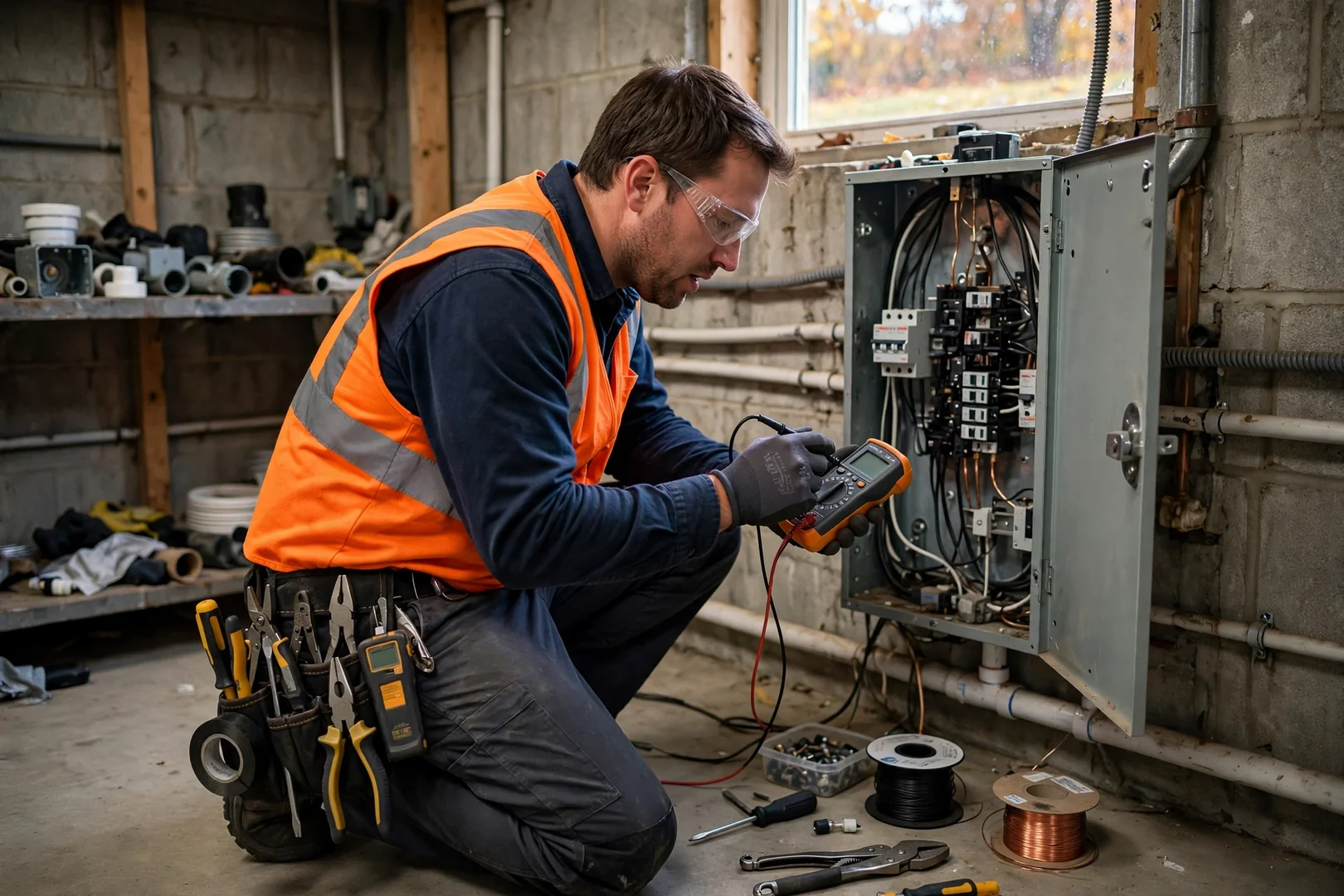
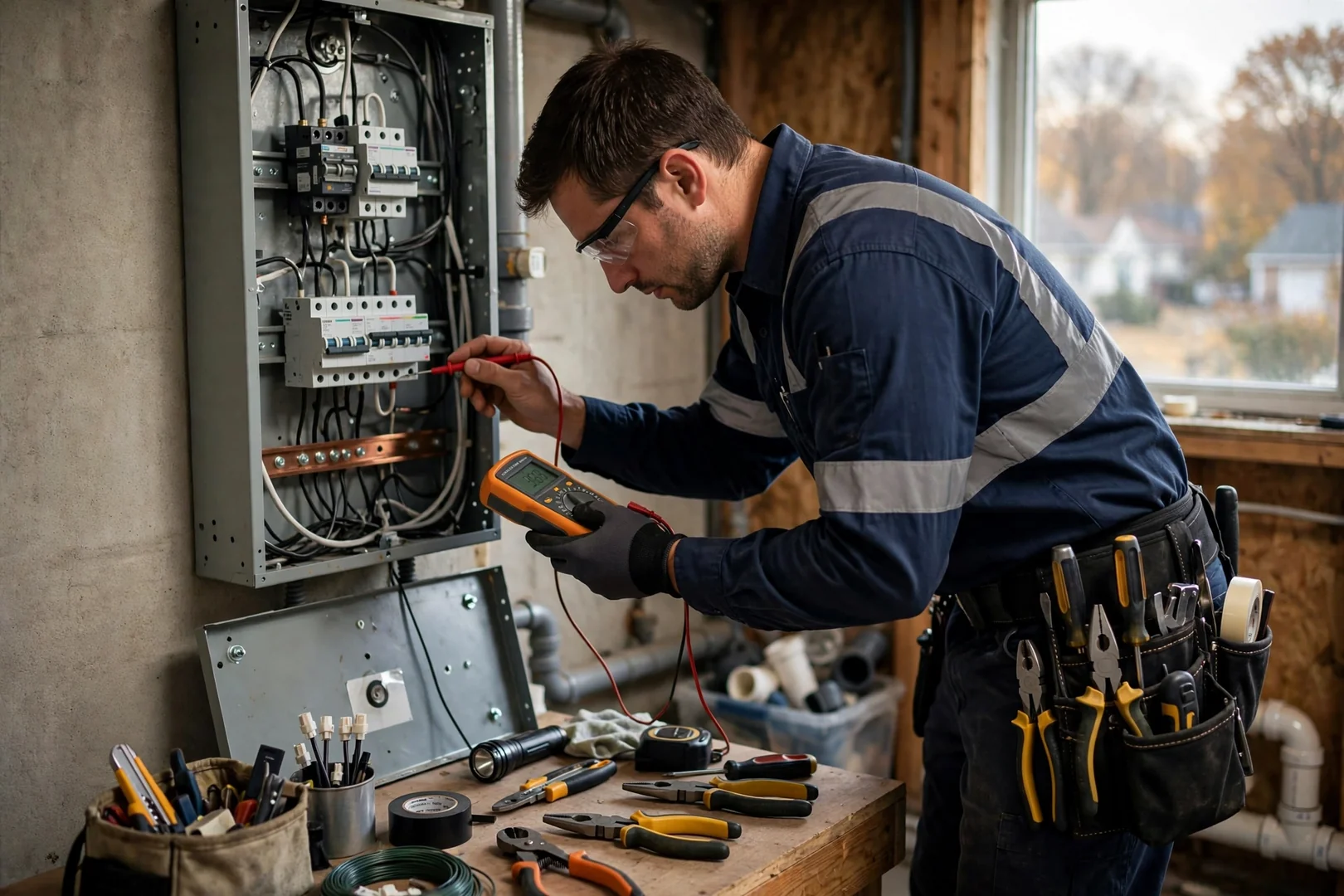
Electrician testing a newly installed home EV charging station with a multimeter

Recent EV Charger Projects

EV Charger Installation Work Completed in Centereach in 2026

Installations in 2026 have covered attached garages, detached garages, and driveway pedestal mounts across Centereach. Most jobs start with a load calculation on the existing service, followed by panel inspection to confirm available bus capacity and breaker space. Some homes needed only a 40-amp branch circuit and a NEMA 14-50 receptacle; others required a subpanel or a service upgrade before a hardwired Level 2 unit could be added. Trained technicians run conduit or THHN in EMT where exposure demands it, torque terminations to spec, and verify grounding continuity before energizing. Longer runs get upsized conductors to limit voltage drop, and each finished circuit is tested under load with a clamp meter. Every job closes with a written estimate reconciliation and a post-job walkthrough covering breaker location, GFCI protection, and charger settings.

Wall-mounted Level 2 EV charger installed inside a Centereach attached garage
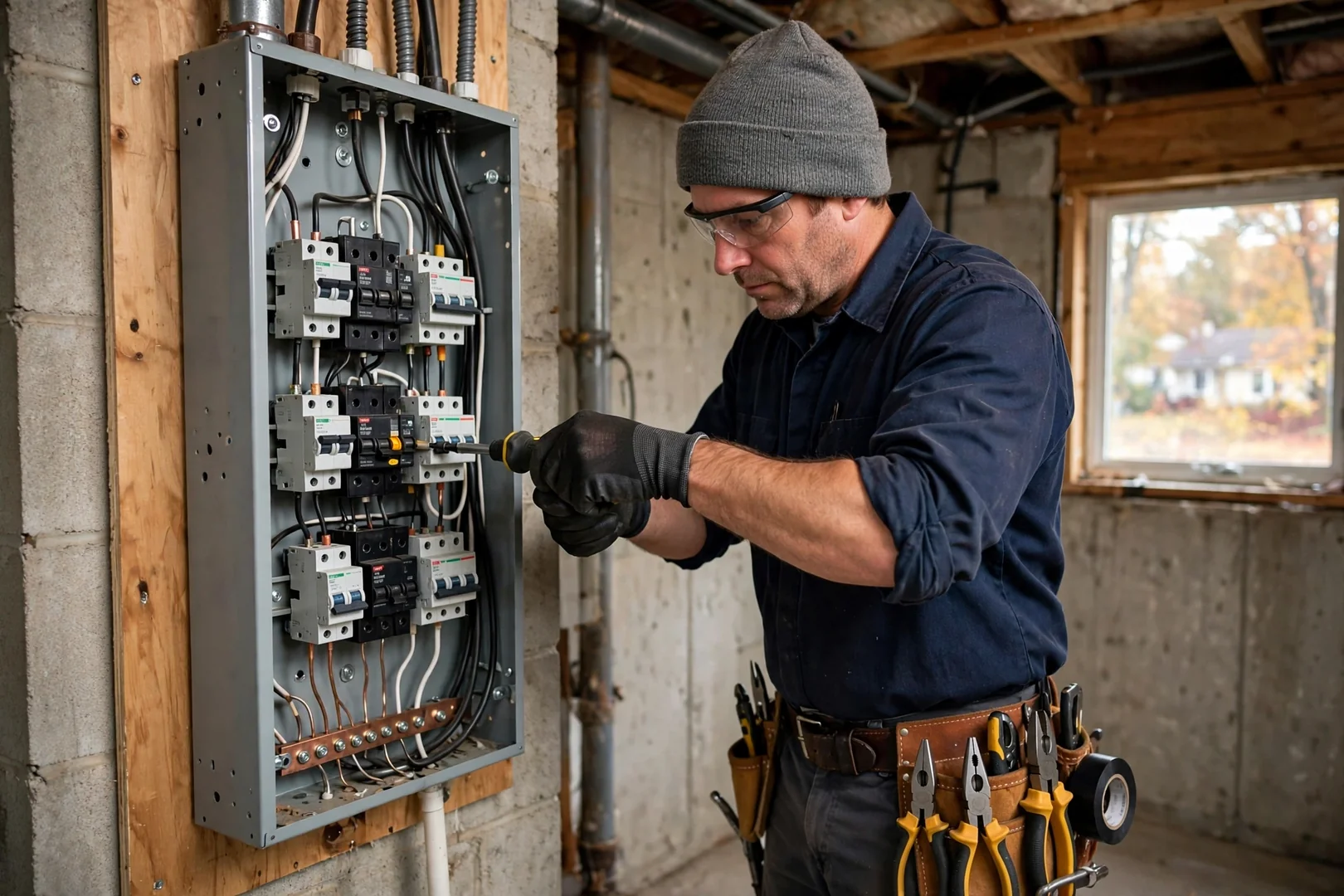
Electrician torquing breaker terminations inside an open residential electrical panel
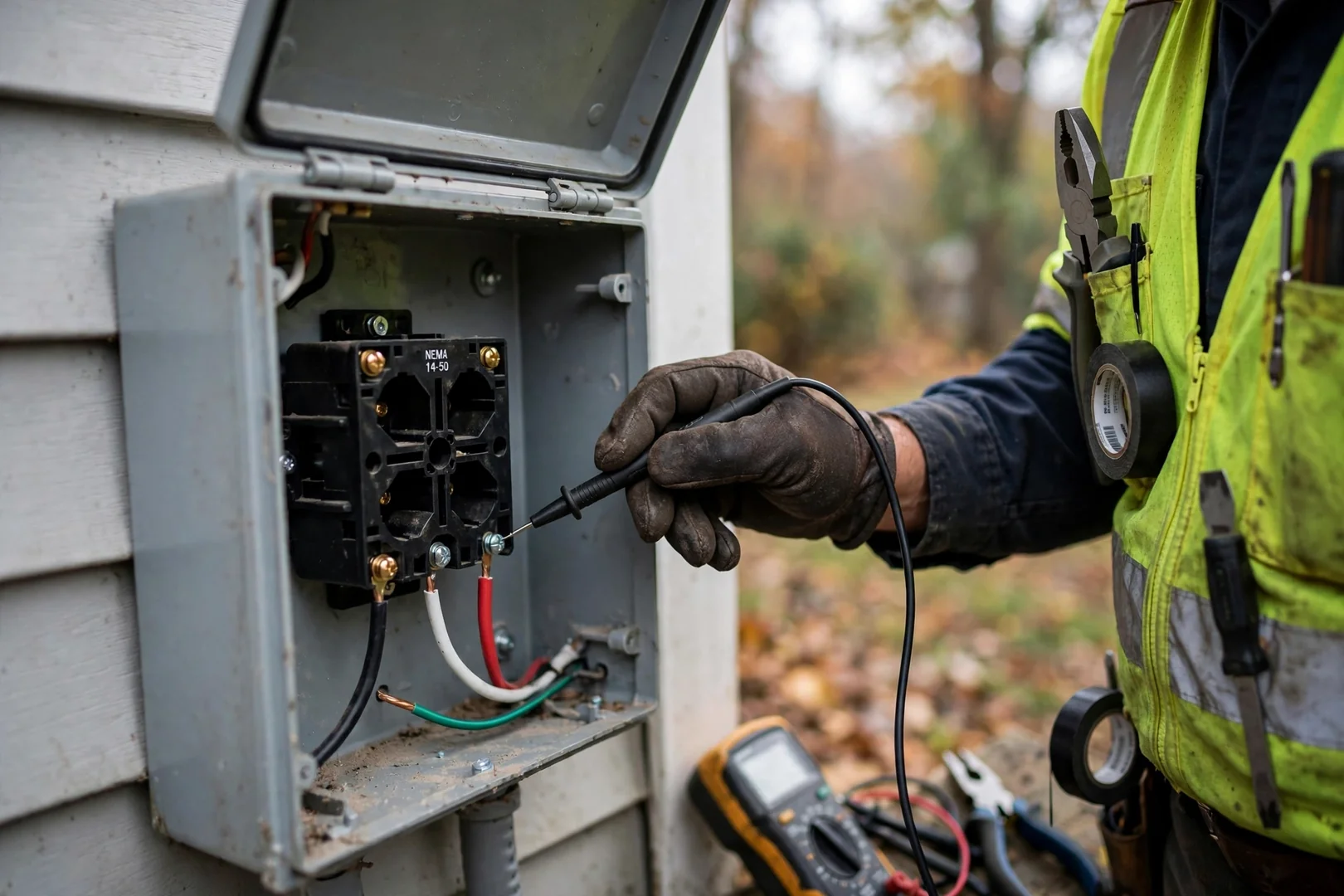
Close-up of NEMA 14-50 receptacle mounted in weatherproof outdoor enclosure
EMT conduit run along garage wall feeding a new EV charging circuit
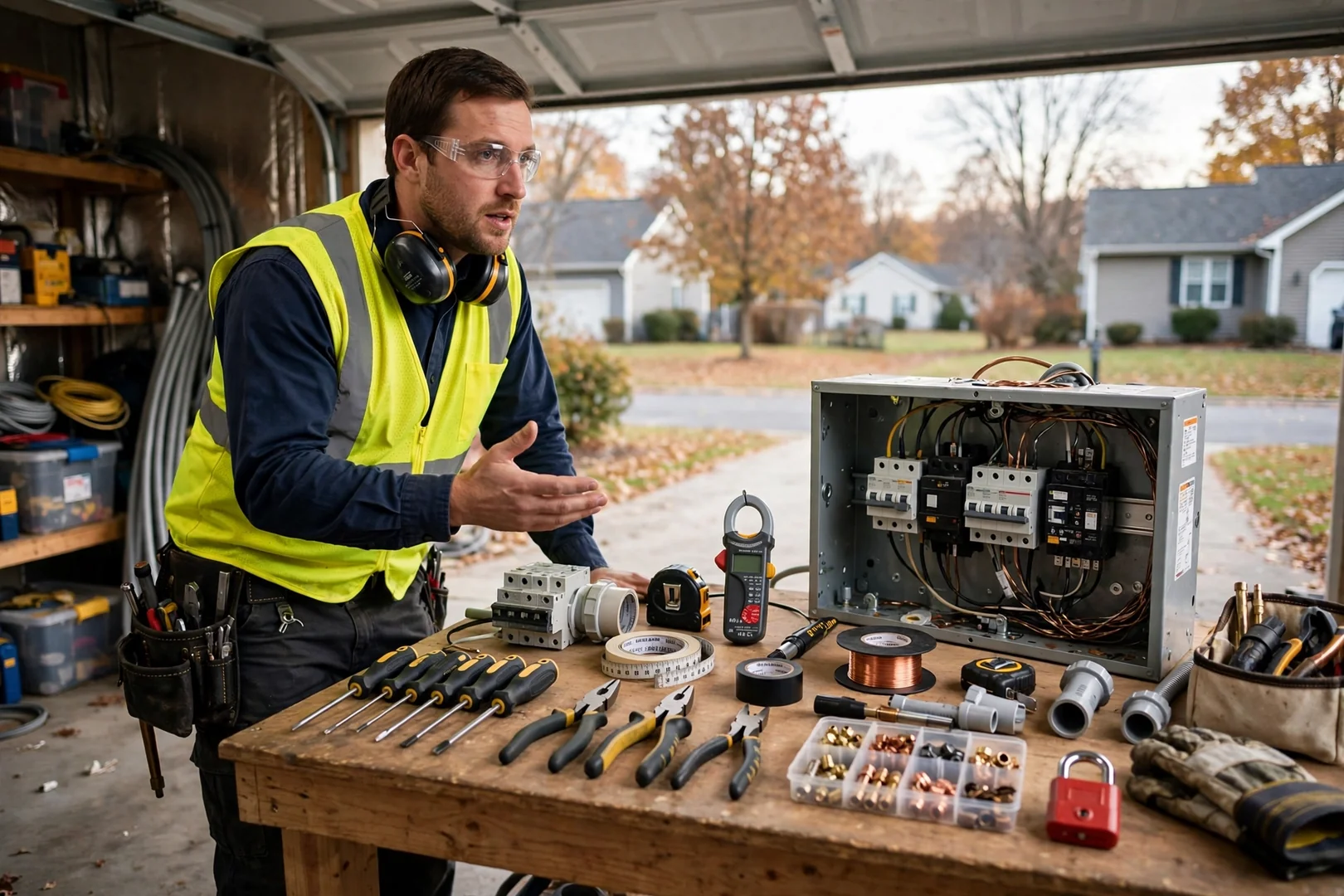
Electrician equipment ready for customer walkthrough
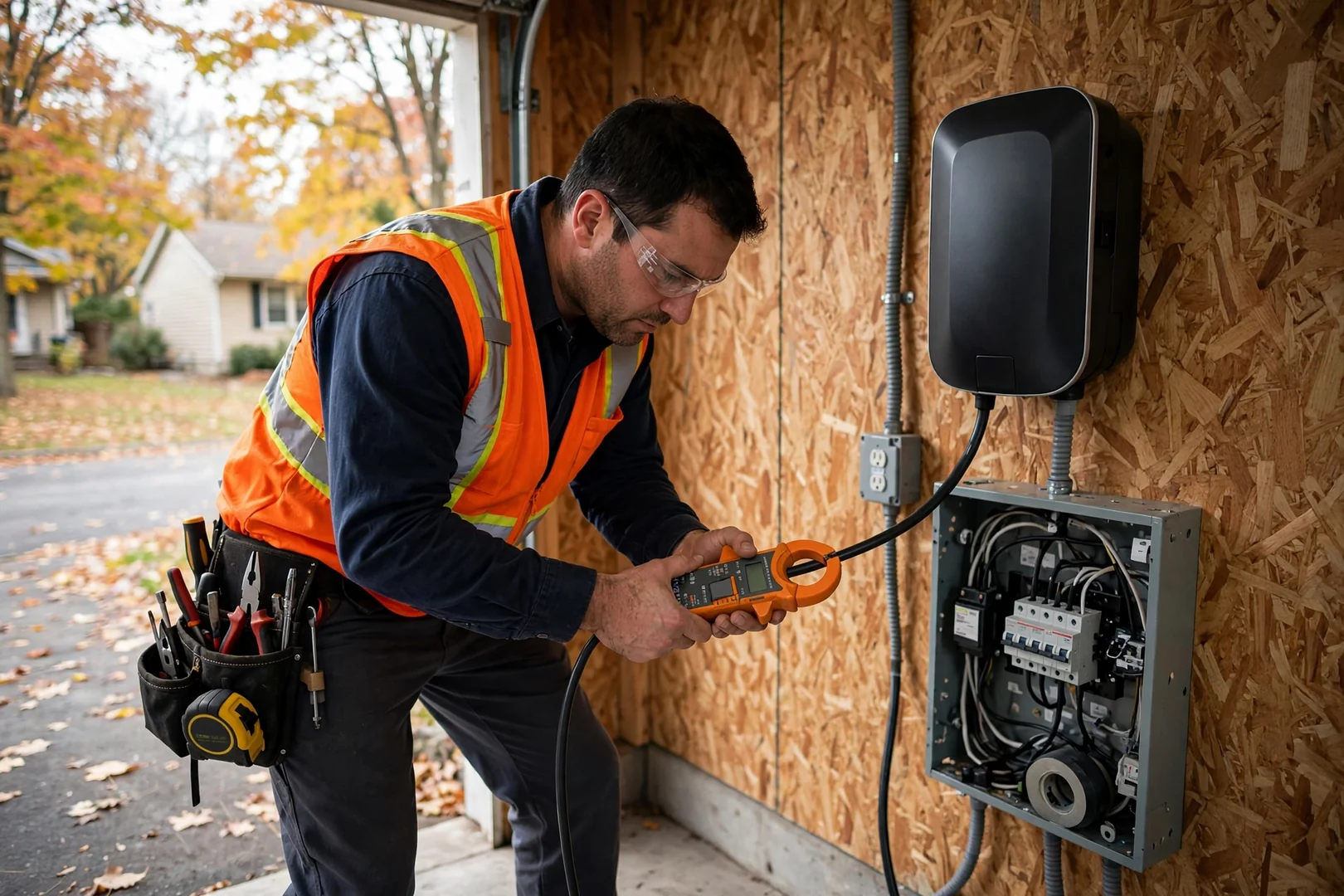
Technician measuring circuit load with clamp meter during charger commissioning test
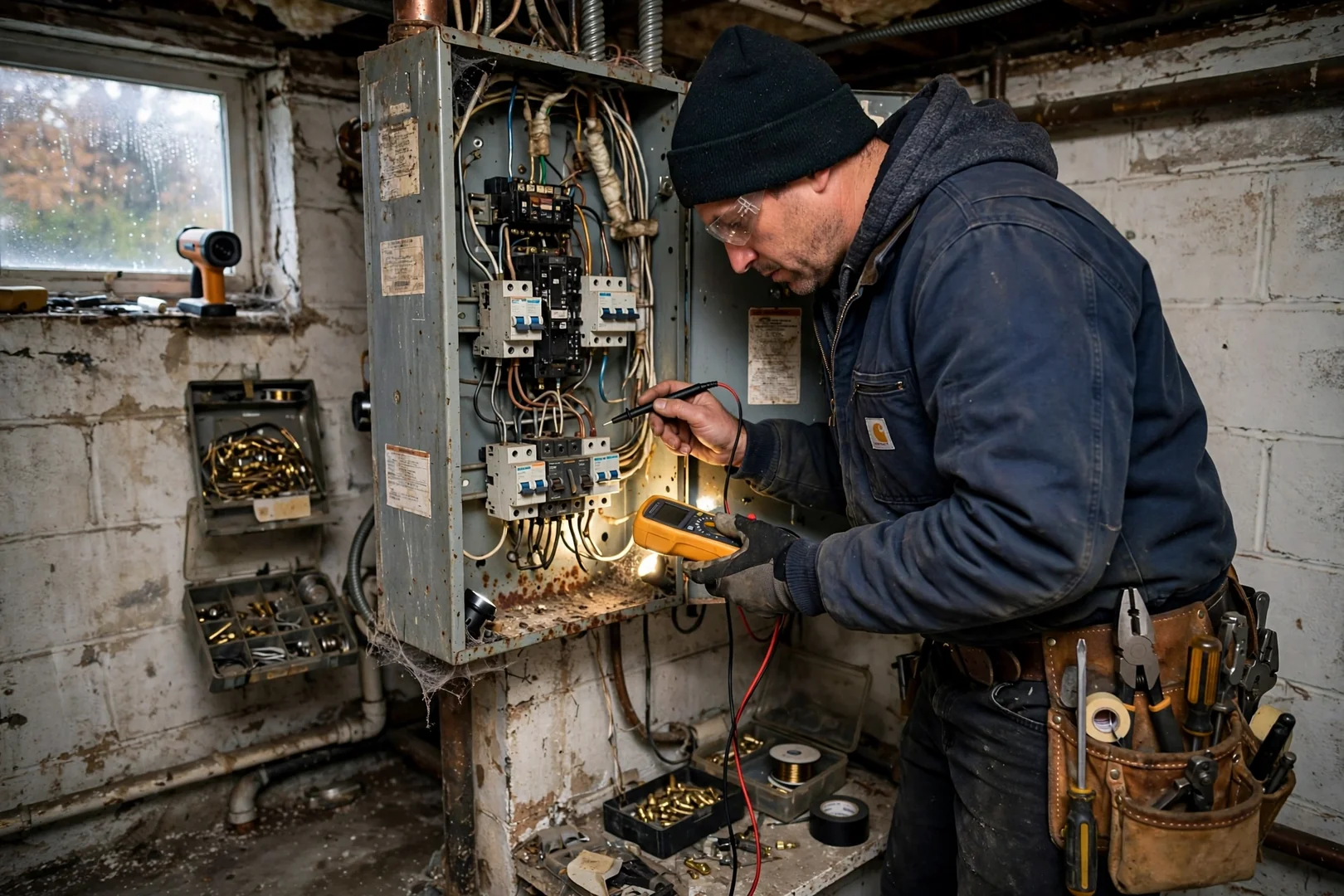
Older undersized panel photographed before service upgrade for EV charging capacity
Finished charger with cable holster and labeled disconnect on exterior siding

EV Charger Installation FAQs

EV Charger Installation FAQs for Centereach Homeowners

Answers below cover the questions Centereach homeowners ask most about Level 2 charger installs in 2026: scheduling, panel capacity, permits, what the price includes, and how local garage and driveway layouts affect the circuit run.

Call Us: (631) 529-1048

A panel upgrade is needed only if a load calculation shows your existing service cannot support an additional 40 to 60-amp continuous circuit. Many Centereach homes with 200-amp service have adequate capacity and only need an open double-pole breaker slot. Older 100-amp panels often require a subpanel or service upgrade first, which is confirmed during the on-site evaluation.

Most single-charger installations are completed in one visit once the circuit path and mounting location are set. Straightforward garage installs with a short conduit run move faster than driveway pedestal mounts that need trenching or exterior weatherproof enclosures. Scheduling is arranged after the load calculation so the correct conductors and breaker are on the truck.

Pricing covers the dedicated branch circuit, breaker, conduit or cable run, mounting hardware, terminations, load testing, and permit coordination. Charger hardware is either supplied by you or quoted separately. You receive a written estimate before work begins, so any subpanel work or voltage-drop conductor upsizing is itemized rather than added later.

Hardwiring is the better choice for higher amperage units and permanent outdoor installs because it removes the receptacle as a failure point. A NEMA 14-50 receptacle makes sense if you want a portable charger or plan to swap units. Both require a dedicated circuit and GFCI protection per current code.

Clear access to the panel and the planned charger location, and have your charger manual or model number available. Note the parking position of your vehicle so cable length reaches the charge port without strain. Centereach garages with finished walls or attic storage may need a different conduit route, so mention any obstructions before the visit.

Book EV Charger Installation

Schedule EV Charger Installation in Centereach

Ready for a Level 2 charger at home? Our electricians start with a load calculation on your existing panel, confirm circuit capacity, and provide a free written estimate covering conduit routing, breaker sizing, and permit requirements. There is no obligation to move forward. Scheduling for 2026 installations is open now, and most Centereach homes can be evaluated during a single site visit.

Call or email to set an appointment. We confirm the charger model, amperage, and mounting location before work begins, then finish with a post-job walkthrough and a torque and continuity check on every termination. Tell us your address in Centereach and we will book the assessment.

Request Your Free Estimate (631) 529-1048
Electrician mounting a Level 2 EV charger inside a Centereach garage